
The developer of the shooter Pioner, GFA Games studio, is going through tough times. Anonymous sources told App2Top that there is a serious rift between the management and the development team. Moreover, some employees have been unpaid for several months.
UPDATED: GFA Games has acknowledged issues with payments in Russia but disagreed with the other points of our investigation.
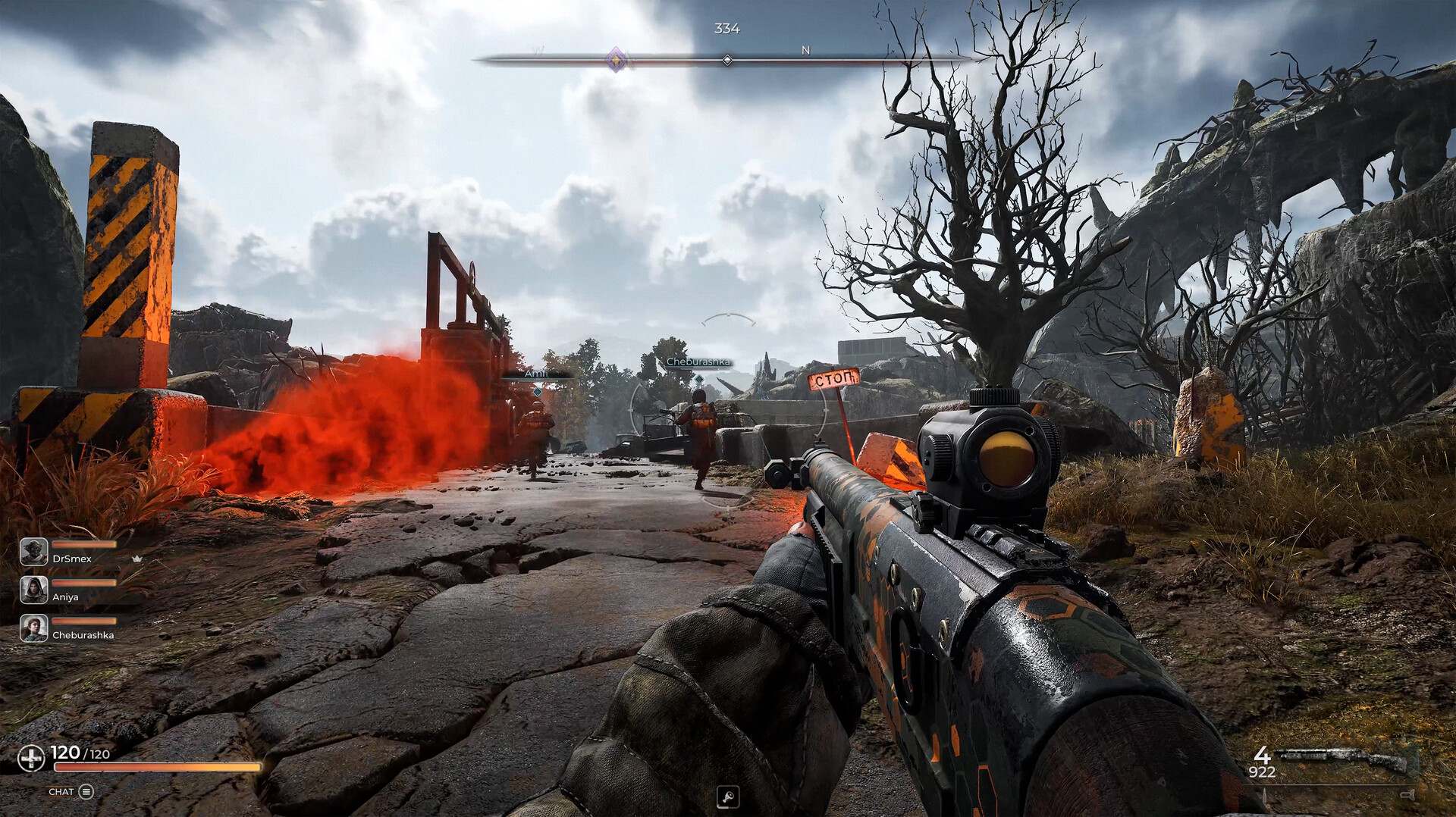
Pioner
According to an insider familiar with the studio's situation, the management ignores criticism from the press and community regarding the game. They cite the game's positive rating on Steam and its overall profitability.
For reference, if you visit the game's store page for English-speaking users, the rating can indeed be considered good at 72%. However, according to SteamDB, it’s much lower across all regions, totaling 64%.
As for the game's revenue, estimates from various analytics services suggest it ranges from $900,000 to $2.6 million on Valve’s platform: VG Insight is more pessimistic about the game's results compared to the Gamalytic service.
The development team does not share the top management's positive outlook. They take user reactions to the current state of the project to heart.
In fact, the reviews section on Steam is filled with negative feedback. Pioner is criticized for questionable design decisions, frequent loss of progress, regular server issues, persistent bugs, and much more.
According to the source, most developers on the team agree with the Steam reviewers. They actively criticize both implemented aspects and new decisions made by management.
The unwillingness of GFA Games' leadership to acknowledge the game's problems is worsening the project’s condition and escalating the conflict with the development team. Because top management refuses to accept reality, they set goals for the project's development that don't align with the necessary fixes.
One of the most illustrative examples is the introduction of a monthly subscription as part of one of the latest patches. Originally, in Pioner, which is distributed as a paid game, it was not planned. Its introduction was rushed after the game entered early access, at the expense of addressing critical gameplay issues.
Another example cited by the source is the development of an in-game store. “It was started before release, then abandoned. A few weeks before the release, it was suddenly remembered, and instead of refining the build for release, significant effort was directed towards getting it to work.”
According to the source, there were many such situations: “Features were added right up to the release without the ability to polish and test each one. This is evident in the game: most mechanics either don’t work well or are unpopular.”
Now the situation is compounded by financial problems. As a minimum, part of the team has been without pay since February. During the game's development history, this is the first significant delay. Previously, delays never exceeded a few days.
The management explains the payment issue as “currency control delays, problems with fund transfers in Russia, and account blockages due to payment delays.” This is leading to staff departures.
At least 10 people have left GFA Games just in the last month. However, most employees have “gone idle under Article 142 of the Russian Labor Code” (which allows employees to suspend work if wages are delayed more than 15 days).
Another source, familiar with the situation at GFA Games, confirms the payment issue. According to him, some employees continue to get paid, but part of the team has indeed been without money for quite some time.
A third source also confirmed the delays. However, according to them, they concern only Russian employees. Abroad, company specialists continue to receive payments, though with delays of a few days.
Notably, management has complaints against some who have not officially left the company but have gone idle. They are threatened with layoffs if they do not return to their duties despite the lack of payment.
One of our sources speculates that top management isn't interested in retaining the team. On the contrary, they seem to be nudging certain staff toward resigning voluntarily.
It's hard to assess the extent of the exodus yet. Our research from open sources hasn't shown significant changes in the job market. However, our second source noted that the company’s rapid loss of employees is a fact. Likely, many staff members are quickly recruited by other companies before appearing on job search platforms.
Meanwhile, the game’s online presence on Steam continues to hover around the release level of 1,100-1,000 people. The number of outgoing updates, according to Steam’s update statistics, is dropping month by month. In February, there were five, in March — two, and by April — only one so far.