
On November 26, the full release of the MMORPG Reign of Guilds by the St. Petersburg team Atlant Games took place. The App2Top team spoke with the developers about the journey to release and the intricacies of creating old-school online projects.
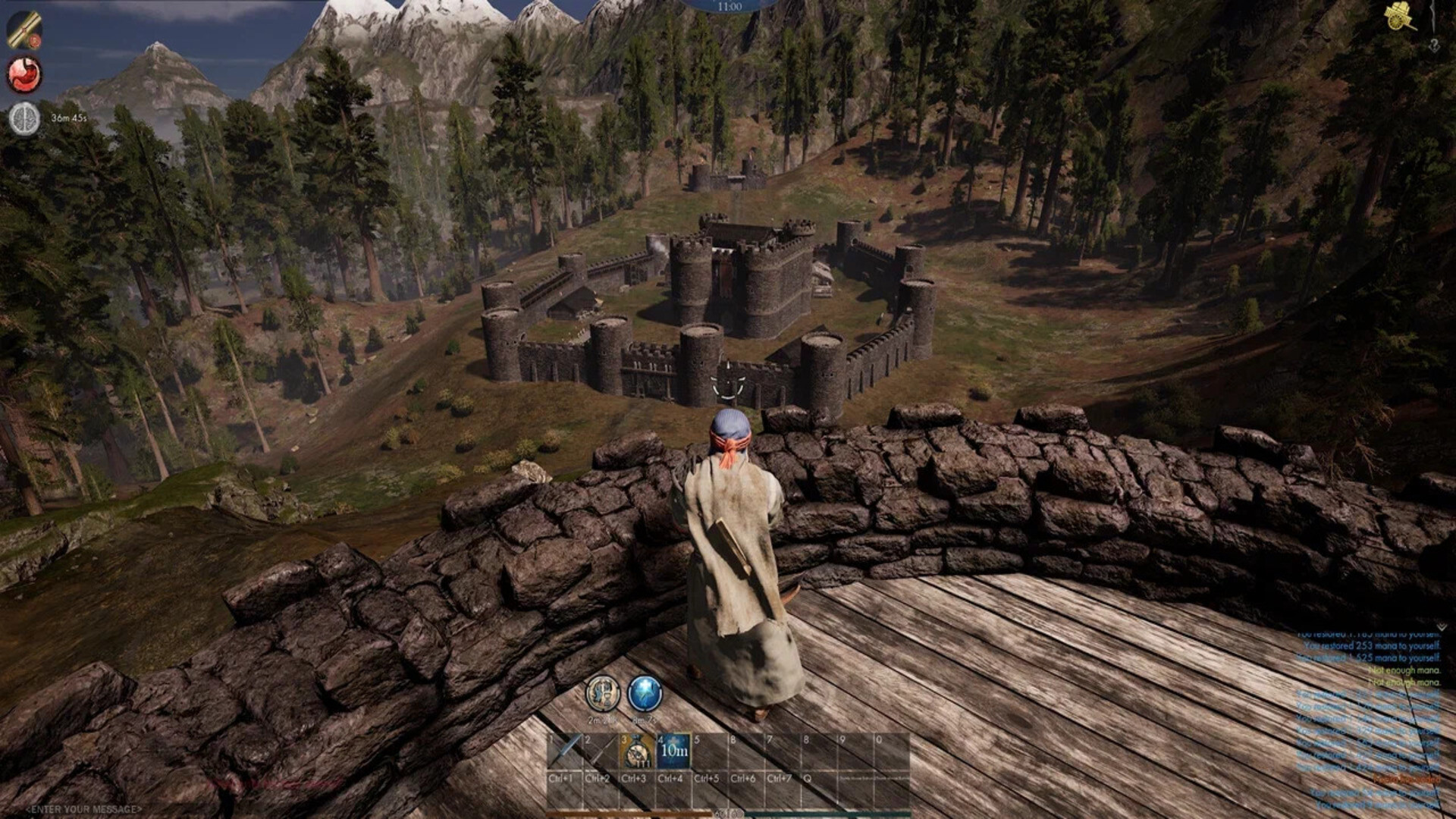
Alexander Semenov, App2Top: Atlant Games was founded back in 2017, but there isn't much information online about the team. Can you tell us about it, how it came about?
Vaclav Verzhbitsky
Vaclav Verzhbitsky, Atlant Games: Hello, my name is Vaclav Verzhbitsky, and I am the founder of the studio. In 2016, a combination of free time and financial capacity for a prototype led to the idea of realizing a dream from my school days. It took eight months from idea to prototype, spending half of that time on documentation, searching for a lead programmer with some MMORPG experience on Unreal Engine 4, and other staff necessary for prototyping.
On March 10, 2017, the first advance was sent, and we got to work.
So, you've been operating for almost nine years. That's quite a span. And you mentioned an advance. What funds did the team start with and how do you sustain yourselves today?
Vaclav: Even before we had a ready prototype, a potential investor among my friends showed interest in the project. We agreed to wait until the prototype was launched before deciding on further development — and that's what we did. According to the agreement, the volume of investment was designed for 2.5 years of development with an average team size of 14 people, but the investor's financial situation changed drastically, and by early 2019, the project was left without external funding.
Without going into too much detail, most of the project's financial burden fell on my shoulders (including personal loans and borrowings), along with the help of another friend who decided to assist as best as he could. The funding was quite "wave-like."
I would especially highlight the self-financing of development starting in the summer of 2020. That's when we went to the Unreal Engine Marketplace (now Fab) with assets already prepared for the game, and started presales. Community support was important not only materially but also emotionally.
Unfortunately, even all this combined financing couldn't cover a third of the payroll needed for a game of this genre, especially on Unreal Engine 4.
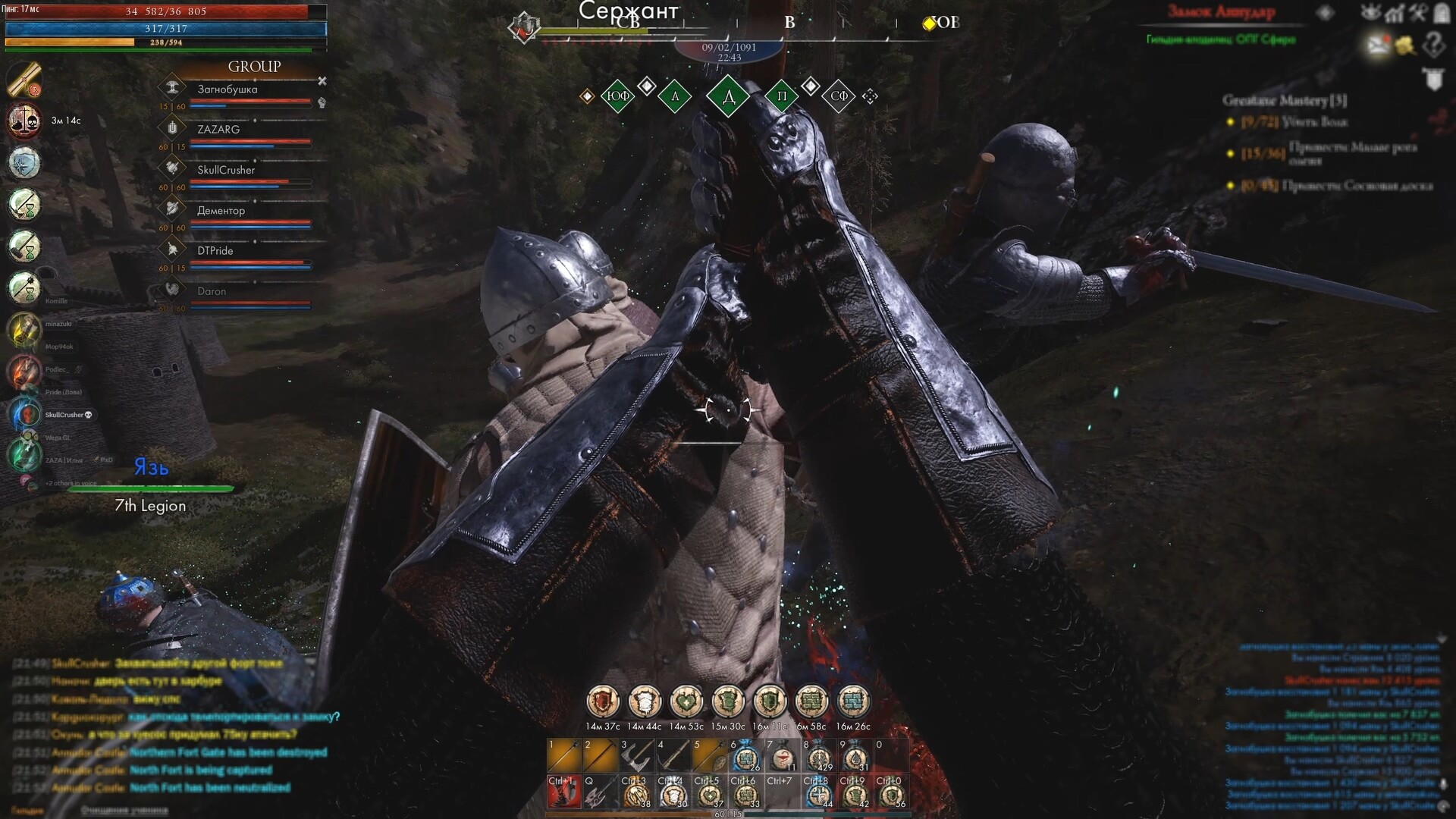
Reign of Guilds is the first and main project of the studio. Tell us about the project. What does it represent?
Vaclav: Let's skip the clichés and get to the core of it. Our team might not be Frankenstein, but our creation does have a name — Reign of Guilds (ROG). It's a niche, unwieldy behemoth, with elements that are both intriguing and off-putting. For most players, it felt outdated conceptually and technically before we even finished developing it.
Without going into technical details, I can say that currently, ROG is built on a solid foundation with tools for populating the world with content and simple, understandable tools for dividing the world into game servers and managing them.
The game itself, albeit changed during early access, was an attempt to create a mature world for mature players.
It seems to me that for you, the developers, this is a dream game. Was the studio launched for this reason?
Vaclav: Absolutely — I entered game development with a dream. Many team members approached the project as something sacred and personal, a venture worthy of their professional time and emotions, despite the working conditions and awareness of the heavy burden on a team whose size didn’t match the genre or scale of the project.

There's a common saying in the gaming industry: don't dive into creating something large and complex (like that dream game); start with smaller projects. What do you think about this advice, looking back at the path to release?
Vaclav: I agree, but with a caveat. If done wisely starting small, experience will eventually teach you that such games aren't worth pursuing under any circumstances because any dreamer will eventually be overwhelmed by professional and entrepreneurial rationalism, leaving no room for indie MMORPGs.
What are the major milestones in the development process that you would highlight?
Vaclav: The first milestone: in the fall of 2022, when the entire team agreed to continue development with a 25% salary cut to finish the project.
The second milestone: realizing on the path to early access that no one was interested (neither investors of various natures nor publishers) and we only had ourselves to rely on. As a joke, I'll mention that we were constantly approached by NFT scammers during their boom who wanted to latch onto the project.
The third milestone: after launching early access, with only five of us remaining, we decided to bring the project to full release.

Were there moments when development could have stalled? When? And how did you manage to overcome those periods?
Vaclav: Three times: early 2019, fall 2022, and summer 2024.
In our case, these crises were primarily overcome thanks to the loyalty of the team, who were willing to share the hardships equally. I was fortunate to have them. I rarely thank them for this, even those who are still with us. Let this interview be one such occasion — my deepest gratitude.
The second aspect was the funding sources I mentioned earlier.
There were no other issues besides insufficient funding.
What turned out to be the hardest part of developing a full-fledged MMO with such a small team?
Vaclav: Lack of experience.
First, let's disregard our modest budget and assume it’s unlimited so the search for employees in our labor market wouldn’t be a problem.
Then let's answer these questions: how many open-world games have been released from Russian teams between 2017 and 2024? On Unreal Engine 4? Multiplayer? Further clarifying questions are pointless.
Thus, developing such technologically complex and large-scale projects is primarily about training each staff member on the job, followed by correcting and refining their work.
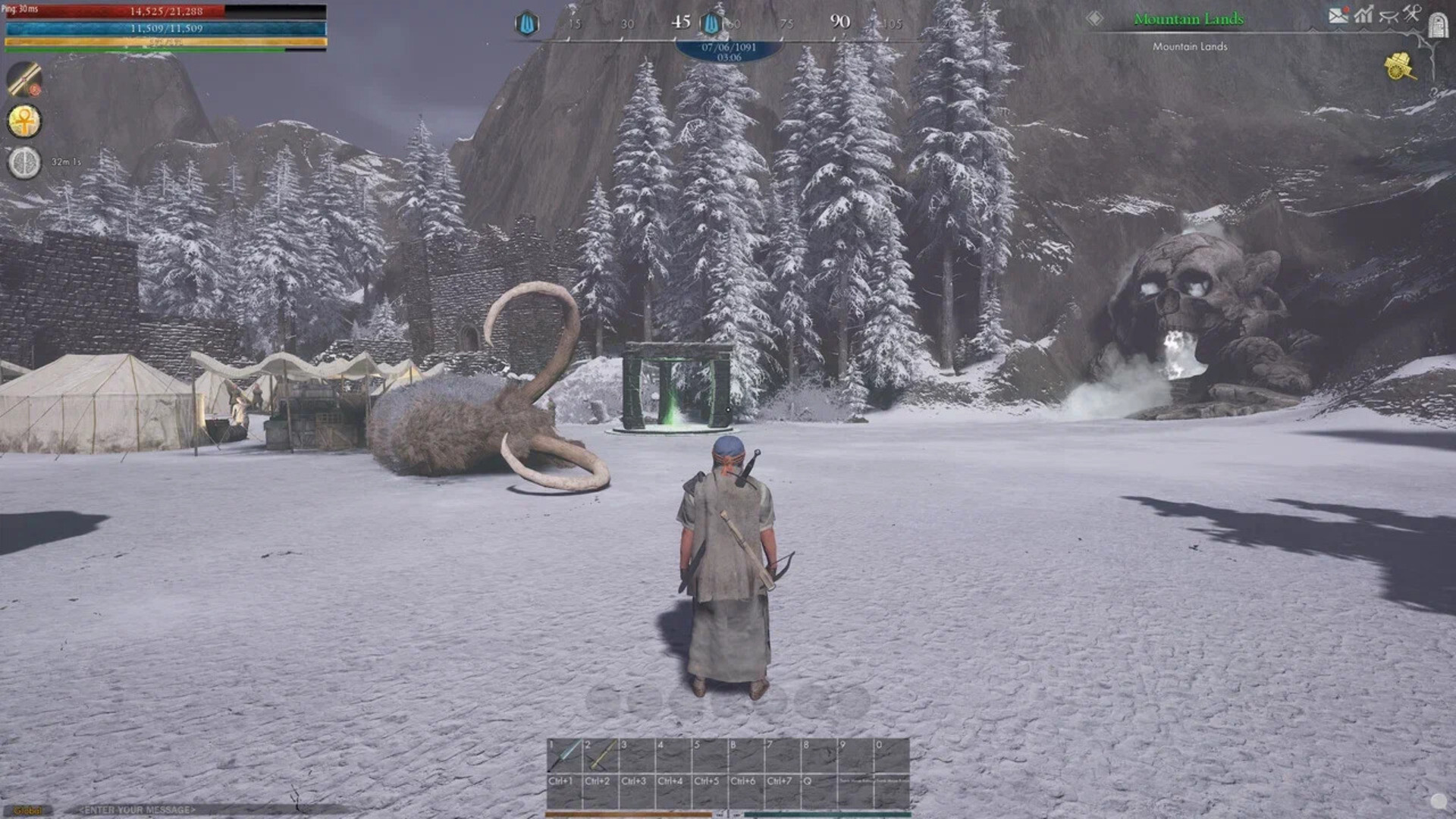
For some developers, the early access launch is a pivotal moment, making key design errors and community support approach obvious. You launched in early access in early 2024. What mistakes did you learn from this release?
Vaclav: I'll start with something perhaps banal and bureaucratic, but a fatal combination of factors (and our unpreparedness for them): two weeks before the scheduled early access launch on March 10 (the anniversary of development), our game’s “Approved for Release” tag was removed, leading to routine communication with Steam support and retesting. As a result, Steam refused to shift the “promotional” release date to April 4 (because we had already requested a postponement in 2023). The platform’s Steam displays left for March 10 were converted into wishlists instead of sales.
The second aspect veers between bureaucracy and community — the user agreement for games of this genre needs to be as strict and detailed as possible, taking into account the specific project features to immediately address issues with different types of violators (from game mechanics to toxic behavior), not just serious infractions easily stopped by Steam’s standard agreement.
Of course, there were design oversights as well. The overly "tightened screws" problem for newcomers became sharply apparent. The game’s tutorial stage was too prolonged and obscure, earning difficult, AI in starter locations unbeatable, and mechanics non-transparent. Despite several playtests yielding decent (and sometimes good) metrics for demo versions.
Ultimately, a significant portion of early access was spent making the game more accessible for new players, smoothing the rough edges, when that time could have been devoted to content.
But am I correct in understanding that despite these challenges, the game started earning right from the start?
Vaclav: The first month's sales (after all commissions and taxes) brought about five burn rates of that month, corresponding to roughly 6% of the entire development budget over the entire period.
By May, this dropped to just 1.5%.
By September, the revenues had fallen to an insignificant amount. Against economic logic, we decided to minimize the burn rate and keep moving forward.

Wow. Let's talk a bit about monetization then. How is it structured in the game? Is the project free-to-play?
Vaclav: Reign of Guilds is not positioned as a fully free-to-play project. The free version is a trial and imposes limitations on players compared to those who purchased full access during early access.
Why didn't you opt for a subscription model?
Vaclav: During development, dreams of a subscription shattered on the changed market landscape and the prospects for our project's place within it.
Returning to the free-to-play monetization: there is no pay to win. All items sold for gold (currency purchased with real money) are either cosmetic or have a strict in-game equivalent, often surpassing them in quality. Also, such items are not pieces of armor/weapons/other equipment that would boost character stats.
It’s worth noting that experienced players with even a free account can legally exchange talers (in-game currency) for gold on the in-game exchange and afford technical “items” like character slots or other bonuses from DLC.
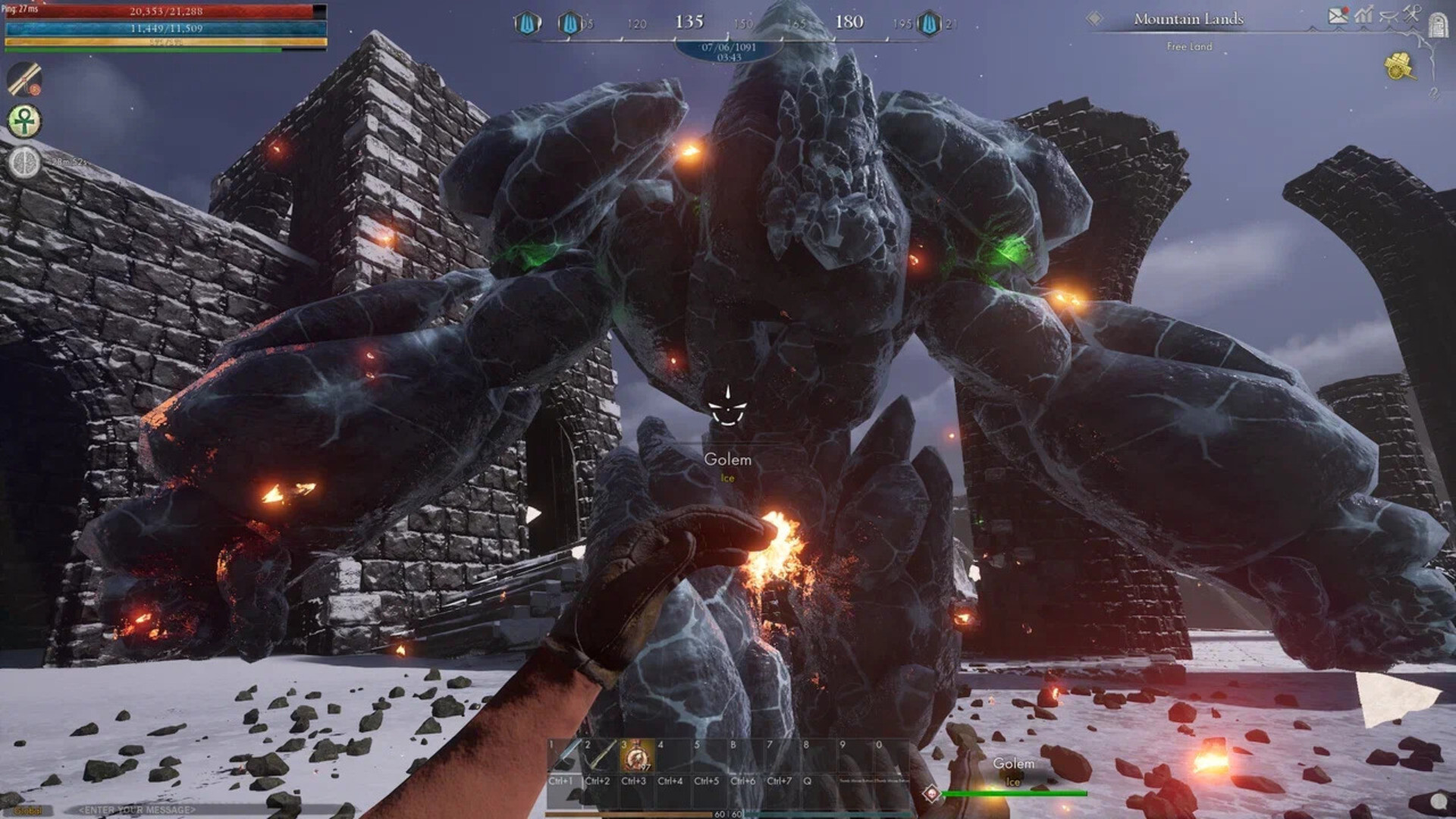
It's clear that the game has changed significantly over nearly two years of open access. But why decide to bring it to full release now? What made this possible?
Vaclav: As mentioned above, we decided on a full release to draw attention back to the game, launch a modest ad campaign with a budget of three thousand dollars, and see if achieving self-sufficiency is feasible.
Moreover, during early access, we prepared a “vertical slice” — from locations, items, crafting from raw materials to enchantment, PvE direction, and rewards for conquest victories.
Could you share some game metrics?
Vaclav: There’s nothing to boast or be ashamed of, especially considering the promotion budget. Here are some metrics:
- Over 10 thousand new users downloaded and launched the client;
- DAU — over 2.5 thousand;
- The majority of players are from the CIS and USA, with a significant number from Germany and France. The Brazilian gaming community is also noteworthy.
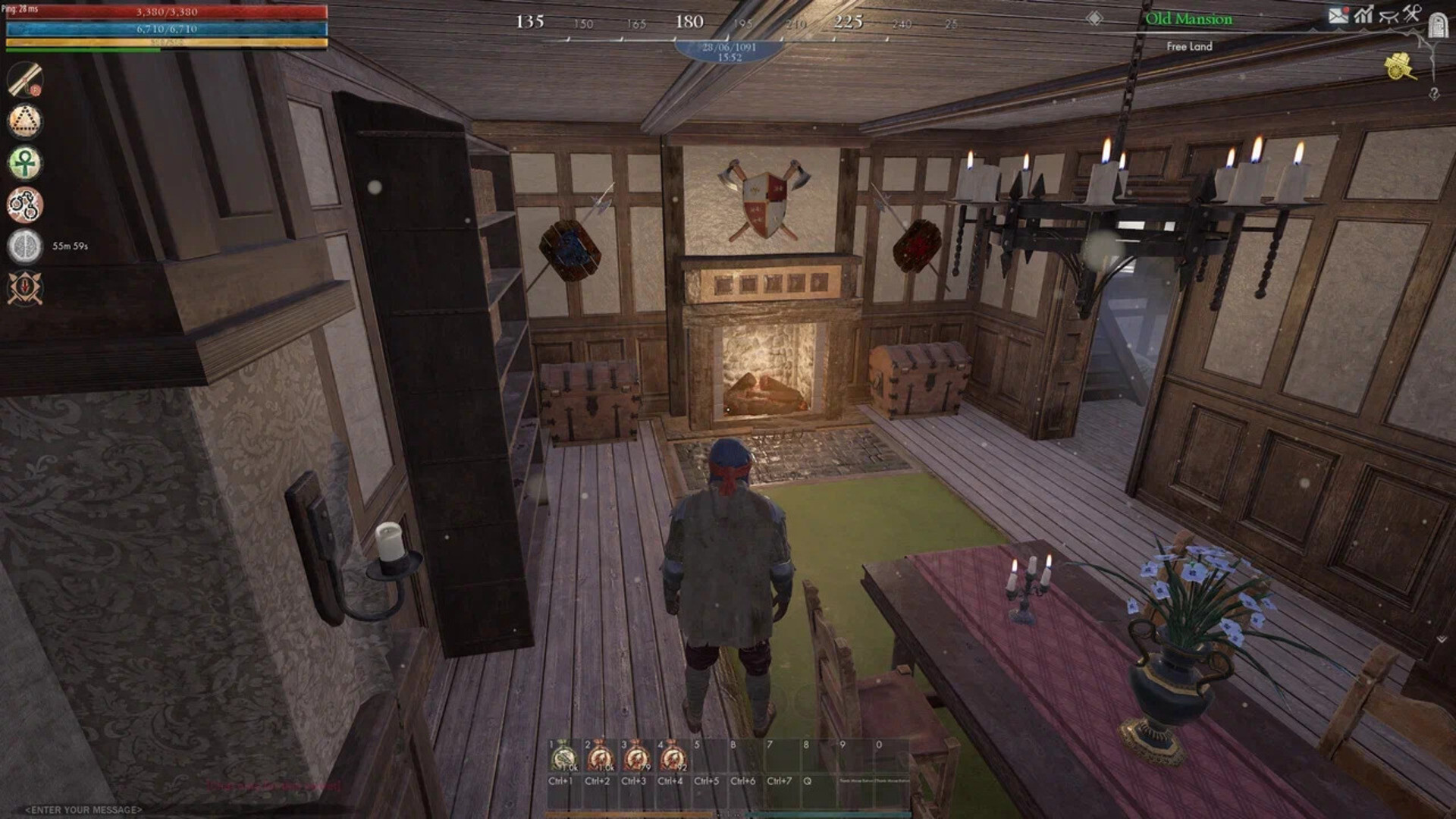
What do you plan to do next? What is the future of the project?
Vaclav: I anticipate that by New Year’s we’ll extinguish the release fire with patches and improvements (I note that we released several major updates just before the launch).
Then we'll start creating and publishing the planned content and new mechanics.
In 2026, we'll engage even more actively with players, addressing their problems and requests.
By the way, you can check out our upcoming plans on our roadmap page.
As you well know, December is a month of pretty loud releases in this genre, so we’ll quietly bide our time: fixing nasty bugs, revisiting and refining the first 5-10 hours of gameplay, analyzing marketing successes and failures, and allocating funds to attract new players.
Many teams are currently searching for a new niche on Steam. One that’s understandable, with clear pitfalls and a potential audience. Are classic MMORPGs such a niche? Roughly speaking: would you advise other teams to follow in Atlant Games’ footsteps?
Vaclav: Strictly no, not even for the soul.
Since the question is rhetorical, allow me to add: if there is a particularly strong desire to fray your nerves for several years, burn out multiple times, and repeatedly extend deadlines — sticking to session multiplayer is enough.
Thank you for the questions and the opportunity to express myself, as well as for your attention to our project!