
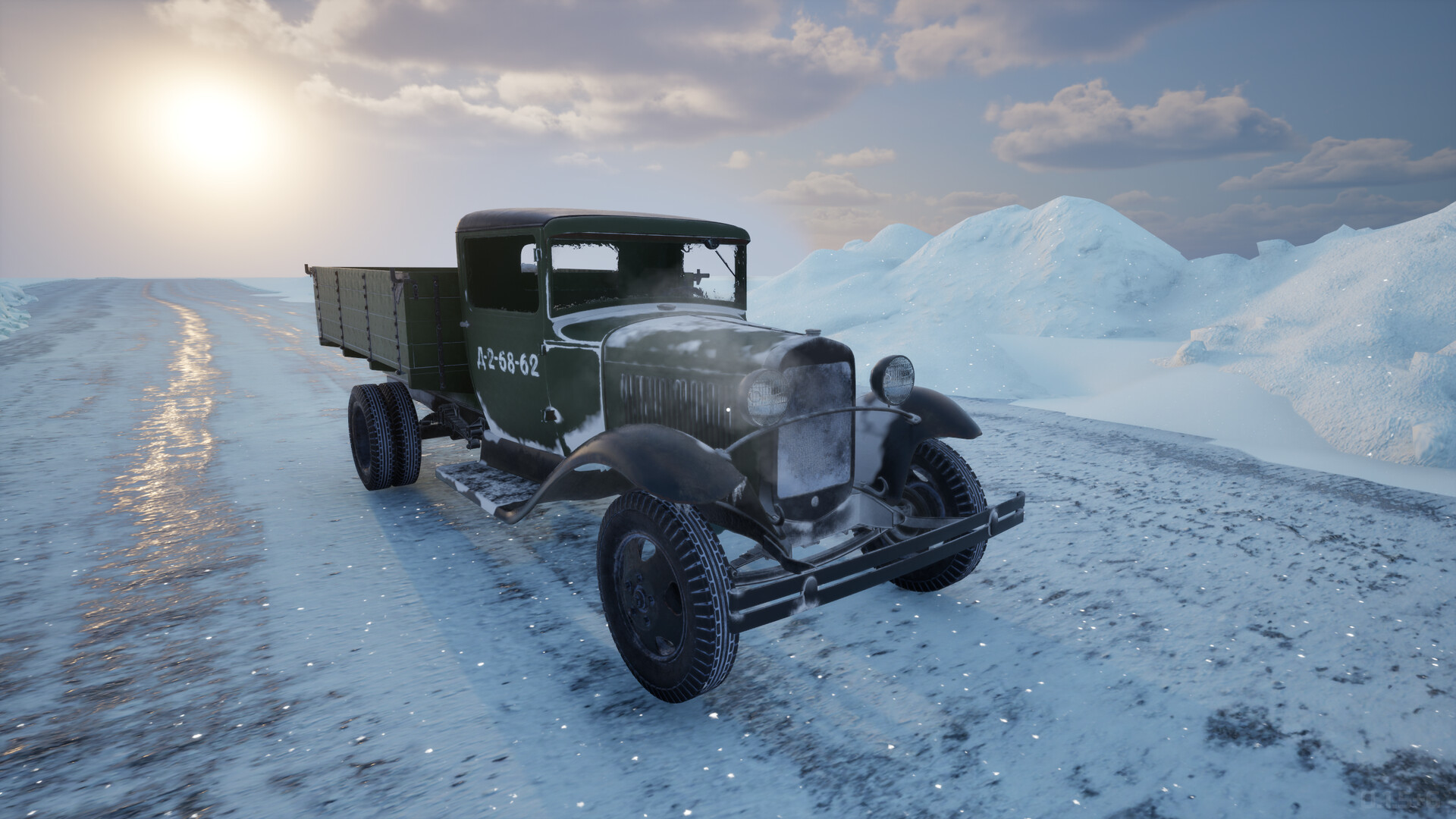
On October 27, "Road of Life" will be released on Steam — a free game about a truck driver on an icy route in besieged Leningrad. Sergey Gimelreich, the head of the Iskra studio, told App2Top how the team received support from the Internet Development Institute (IDI), how they balanced the budget, and how they created a game from "driving on flat ice."

Sergey Gimelreich, head of Iskra studio
IDI Support
The development was financed by the Internet Development Institute. In 2025, we participated in its national content creation contest, made it to the finals, and defended our project live.
The defense, by the way, turned out not to be the scariest part. Far more challenging was structuring the budget. We had to outline expenses by categories, honestly estimate the resources available, determine the technologies we would need to work with, and foresee potential changes along the way. And all this happened at the pre-production stage when there was no idea where the project might stall.
Budget for the Main Focus
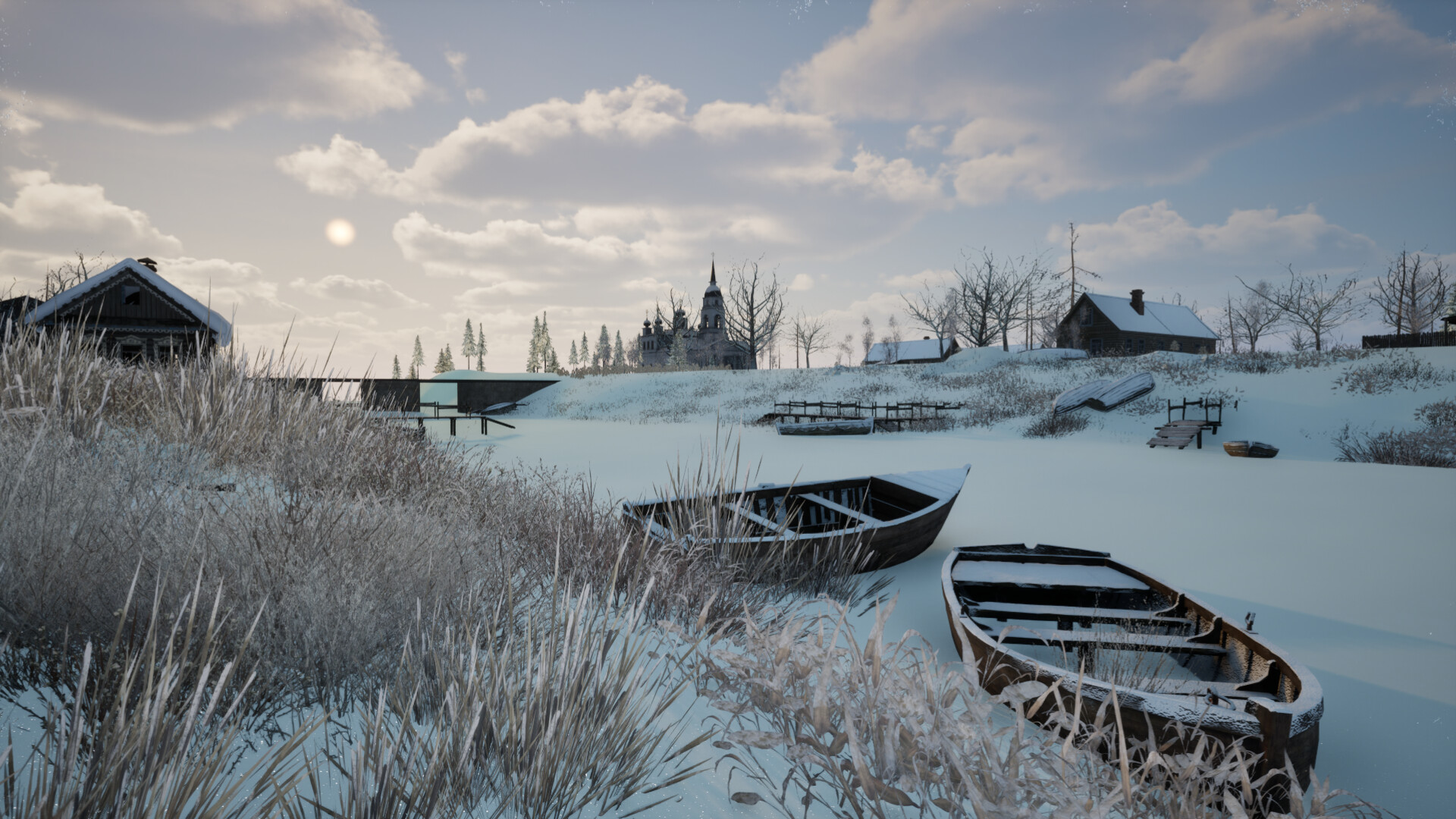
Our rule is simple: funds go where the core of the game lies. If it's about the story and atmosphere, that's where the majority of the budget heads.
We were lucky here: we knew from the start where to focus and what we wanted to offer the player. Our plans changed over time — no project can avoid that, no matter how strong the initial idea is. But when you know what's essential, it's easier to decide what to cut and what is untouchable.
What I'd Change
If we were starting now, I'd structure the budget entirely differently. For example, I'd allocate much more for character animations and narrative variability.
Also, we wouldn't set such high expectations with such a modest budget. Ambitions should match the financial resources. This sounds obvious until the moment you begin working on a project you deeply believe in.
In the end, there was enough money for production: the studio has extensive experience working under such conditions.
Spiral Development
The core idea almost didn't change throughout development: the player is a truck driver transporting cargo across Lake Ladoga’s ice road, encountering situations along the way that require decision-making. However, we struggled with the mechanics from start to finish.
Initially, we planned to create missions sequentially: finishing one before moving to the next. Instead, we switched to a spiral approach: at each cycle, we revisited all game missions, improving them from rough drafts to polished versions.
Straight-Line Driving
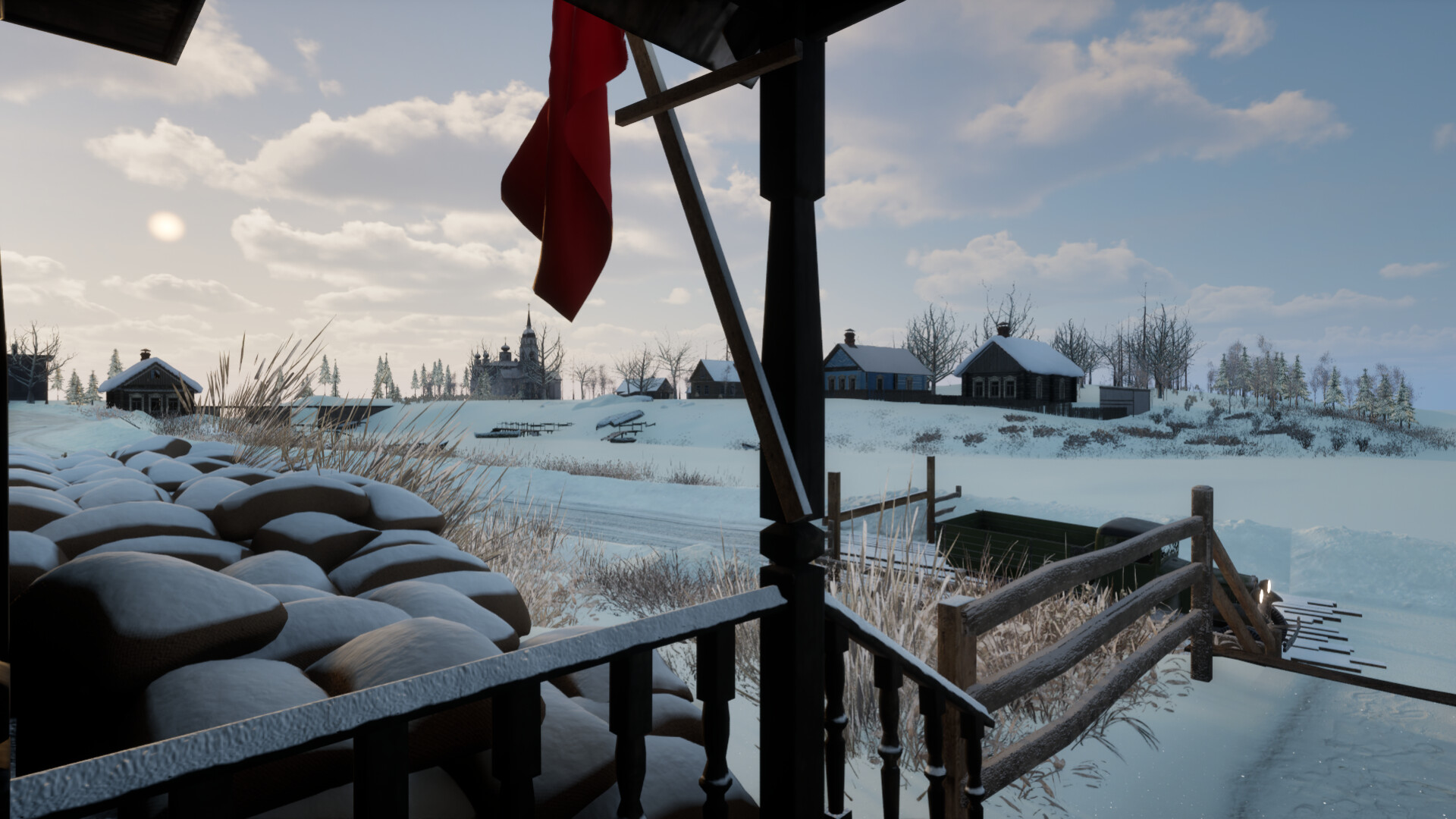
One of the most challenging tasks was the road itself. An ice track is completely flat; the terrain barely changes, and the road literally goes straight. Making such driving engaging was quite the puzzle.
We needed to find a balance: make the world interactive enough without distracting from the atmosphere and plot twists. For a cohesive narrative, we sacrificed some player freedom. In "Road of Life," it's vital to read, listen, and look around. We wanted to create a gaming art house — an interactive narrative journey with a documentary foundation.
History and Gameplay
Combining historical accuracy, gameplay, and budget was challenging, especially since the authenticity also had to be engaging. Compromises were unavoidable.
We tested each mechanic and situation with the question: "Could it have happened this way?"
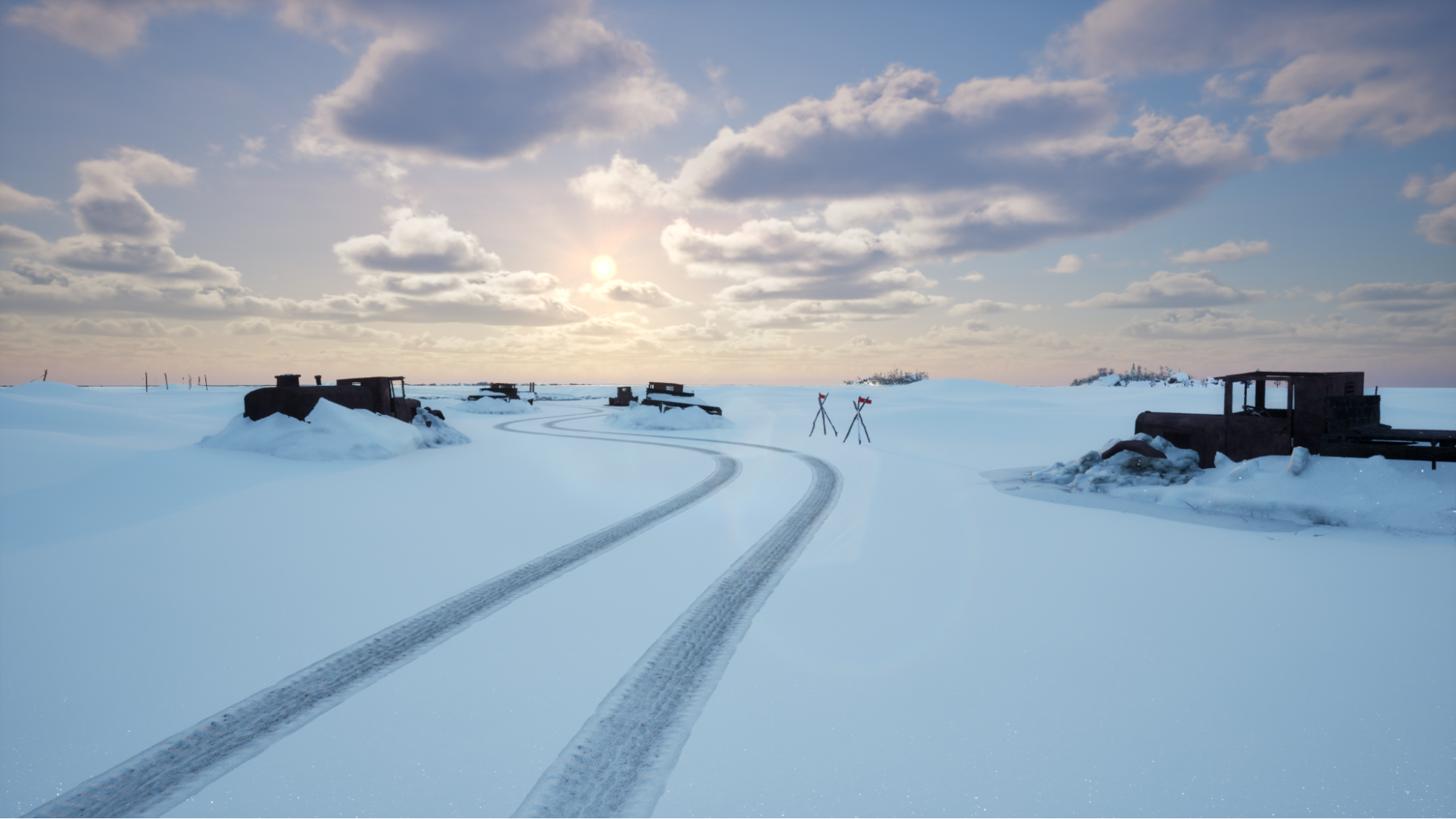
For example, actual track supports simply stood by the road as support points without barriers, and drivers weren't required to enter and mark their presence in the travel log. But we needed save points. Therefore, we slightly reimagined the road setup: we placed a barrier at each support point and required drivers to check in. Checking in is the save function.
Interaction Instead of Survival
Originally, we envisioned a much more gameplay-focused game: survival in the harsh conditions of war and winter Lake Ladoga with a highly branched storyline. We wanted multiple endings and various decision consequences, but it turned out to be too expensive and complex. We had to narrow the player's options and focus on atmosphere and story.
The result is a linear interactive story. Gameplay ties meetings with characters together: you can drive the truck in difficult road conditions, shoot from an anti-aircraft gun, and try not to freeze if you stray too far from the road.
Overall, I'm satisfied with the result. We achieved the main goal: allowing players to experience, even briefly, being a truck driver on the ice road. I hope players will appreciate it.
"Road of Life" releases on Steam on October 27. The game will be free. Game page: https://store.steampowered.com/app/4693550/