
While the West is celebrating Christmas, we continue to publish the 2025 year-end results with gaming teams. Up next is an interview with Egor Tomsky, the head of the studio WATT.
How did the year 2025 turn out for your team? What were you able to achieve, what are you proud of, and what didn’t you manage to do?
Egor Tomsky, WATT: 2025 was a year of growth and focus for us. We concentrated our efforts around key projects — “Tsarevna,” the world's first ballet slasher, and GRIMPS, a crazy shooter where cuteness crossed the line — and shifted from pre-production to active audience engagement. Our pride lies not just in announcements but in vibrant player feedback. By participating in festivals both in Russia and abroad, as well as conducting initial playtests, we've gathered several hundred reviews, providing our team with invaluable feedback.
What conclusions did you draw as a development studio by the end of 2025?
Egor: The main outcome of the year for us was the transition from an indie team to a professional studio. We rebranded our internal processes: made the structure clearer, tasks more specific, and, most importantly, started purposefully building expertise. Now, we are involving international consultants and creating an environment where our specialists can tackle ambitious tasks and grow professionally.
The most notable marker of this growth is the change in status. Whereas before we actively sought talent, now experienced specialists are eager to join the teams for “Tsarevna” or GRIMPS because they see opportunities for further development.
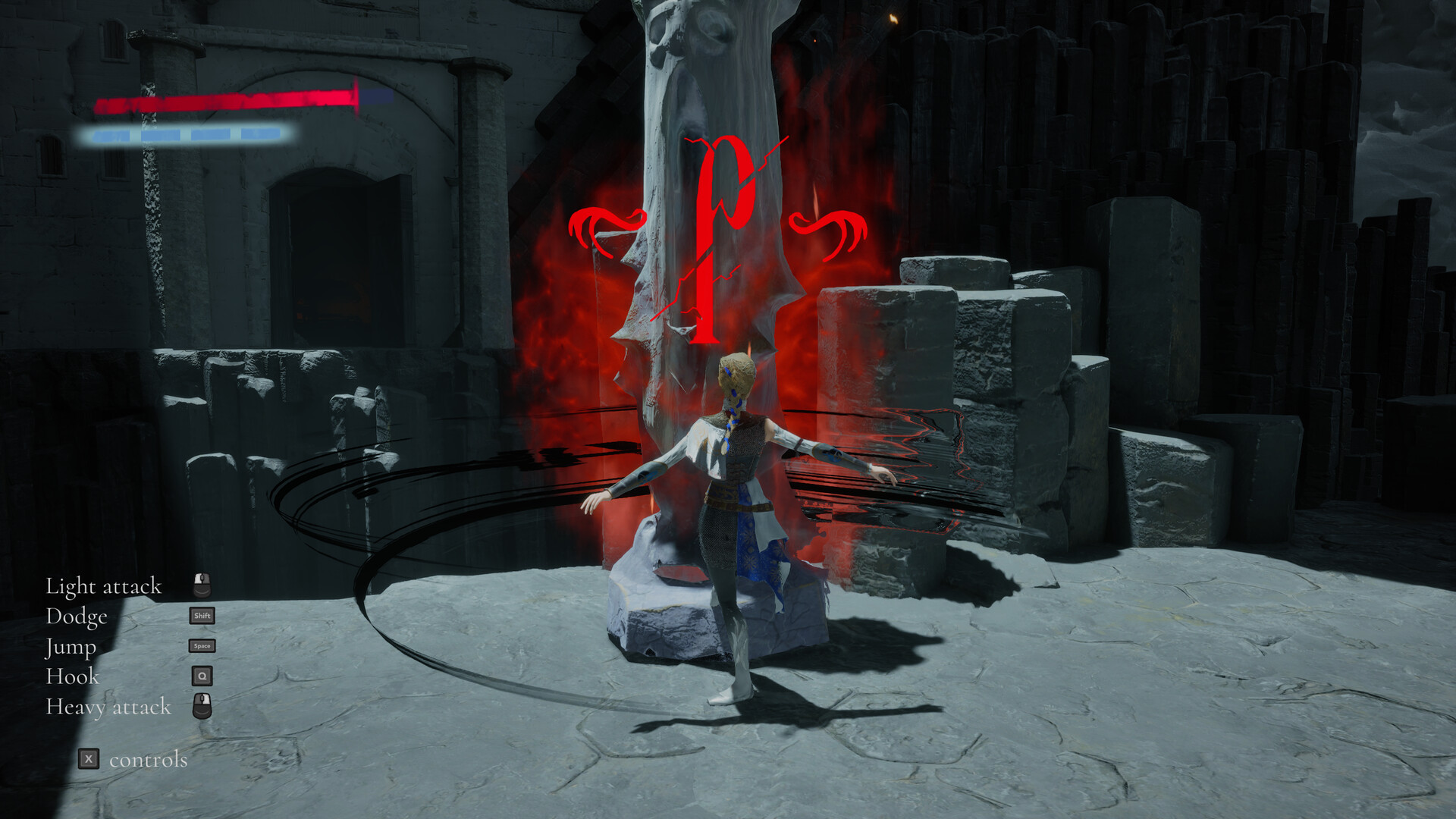
“Tsarevna”
Have practices in interacting with publishers/investors changed? Has it become easier or more difficult to work with them?
Egor: The dialogue has changed and become more focused. Today, it’s not enough to come with just a flashy presentation and concept. Publishers and investors expect to see verified audience interest at an early stage. Our strategy of developing and testing prototypes at festivals and playtests has become a key advantage. Now, we negotiate based on concrete data: community engagement, initial metrics, media resonance. This increases trust and shifts the conversation toward partnership. The interaction process is evolving: more preparatory work is required, but mutual understanding is reached faster.
How did the year turn out for the niche/genre in which you work?
Egor: The year demonstrated maturity and high competition in our niche. The audience has become more discerning. Having had their fill of mechanical action, players now expect modern games to provide not only sharp swords or polished combat mechanics but also sharp narratives, deep worlds, and fresh aesthetic concepts. Success is built on synergy. A bold concept (like a ballet slasher, for instance) serves as a hook. But for a game to last beyond the first trailer, there needs to be a whole ecosystem behind that hook: precise combat, an engaging story, and a detailed world. A beautiful exterior attracts, but it’s the content that keeps a player hooked.
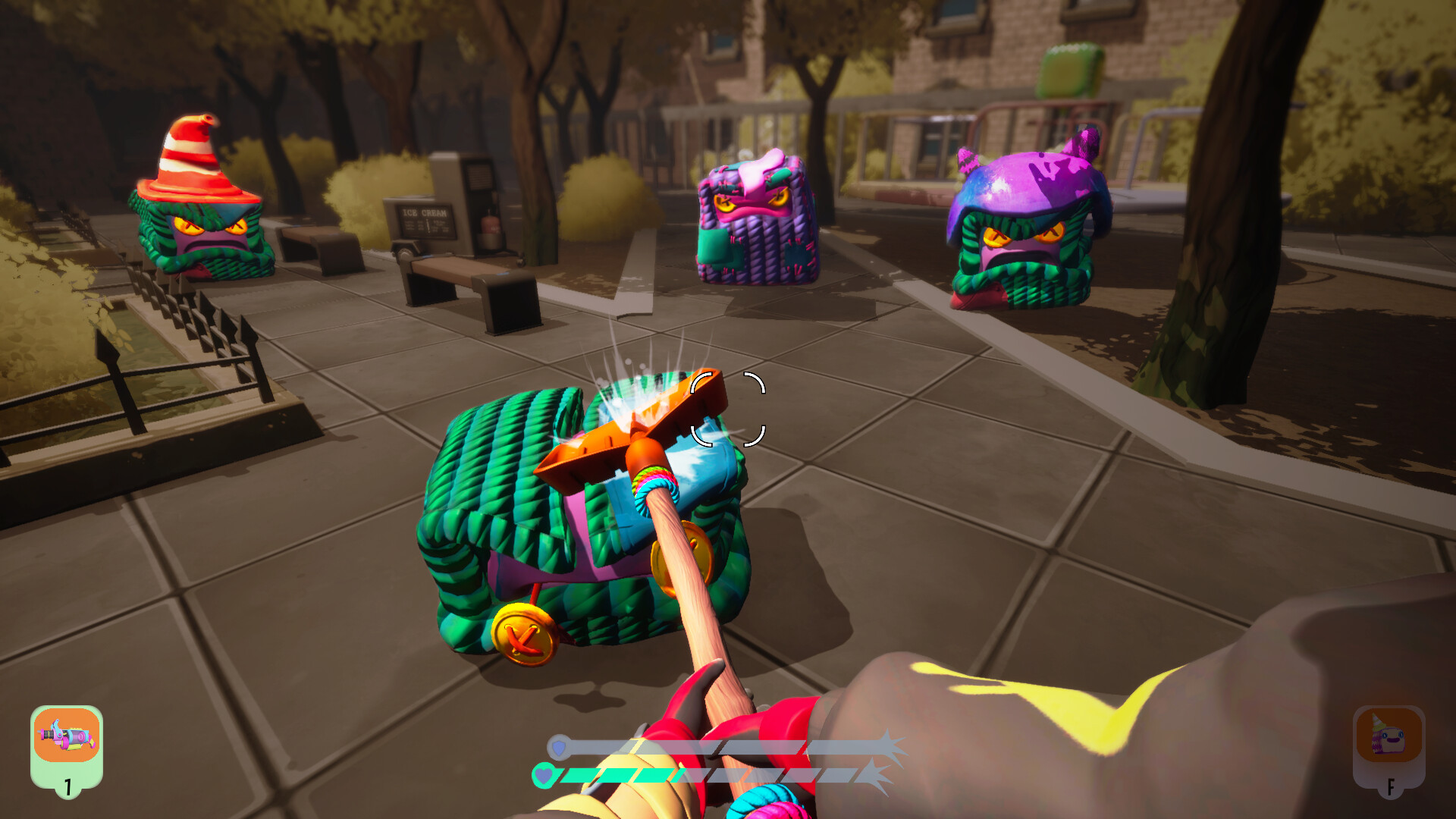
GRIMPS
Which trends do you expect to strengthen or emerge in your niche/genre in 2026?
Egor: We anticipate that the key trend in 2026 will be the integrity of the gaming experience. This means that all elements of the game will no longer exist separately but will begin to work in deep synergy. The visual concept will no longer simply be a shell or background. We will see more projects where unique aesthetics — like ballet in “Tsarevna” — form the foundation for creating entirely new mechanics.
What are the team's plans for the coming year?
Egor: Our plan for 2026 is to transition from production to active releases. The year will be very productive for us and our players. We plan to release two demos — for “Tsarevna” and GRIMPS — to continue dialogue with the community and gather feedback prior to the official releases. As for full releases, GRIMPS will hit the metropolis in the first half of the year, while the ballet slasher “Tsarevna” will be released closer to the end of 2026.