
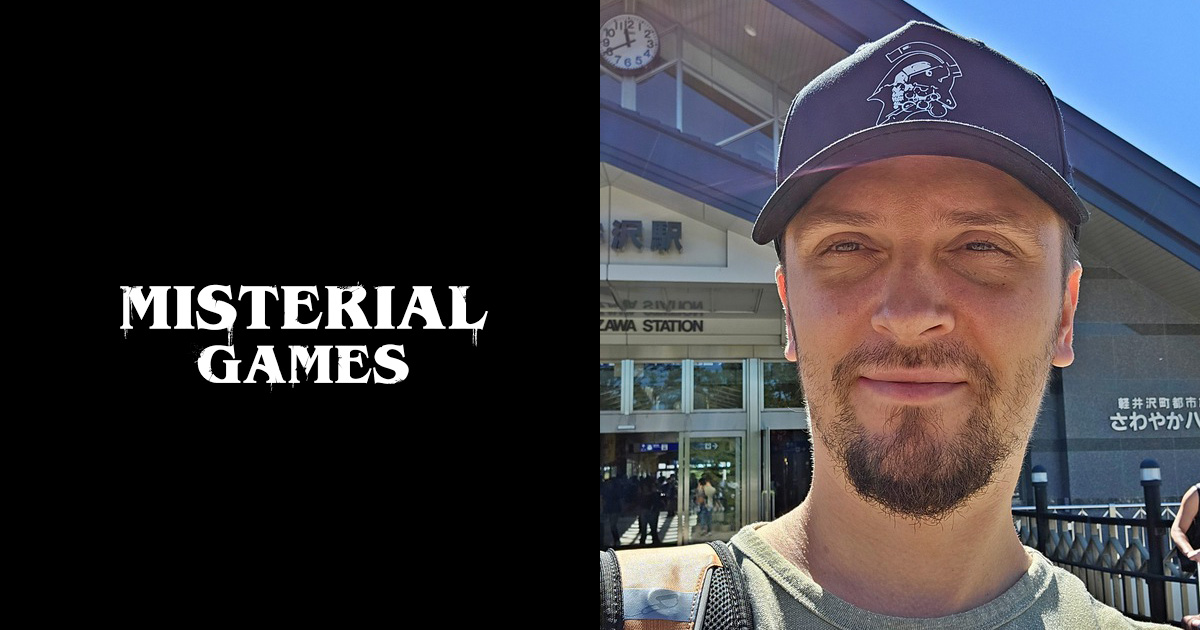
We continue to review the results of 2025 with gaming teams. Up next is an interview with the founder of Misterial Games, Sergey Korolyov.
How did the year 2025 turn out for your team? What were you able to accomplish, what are you proud of, and what, on the contrary, did you not manage to do?
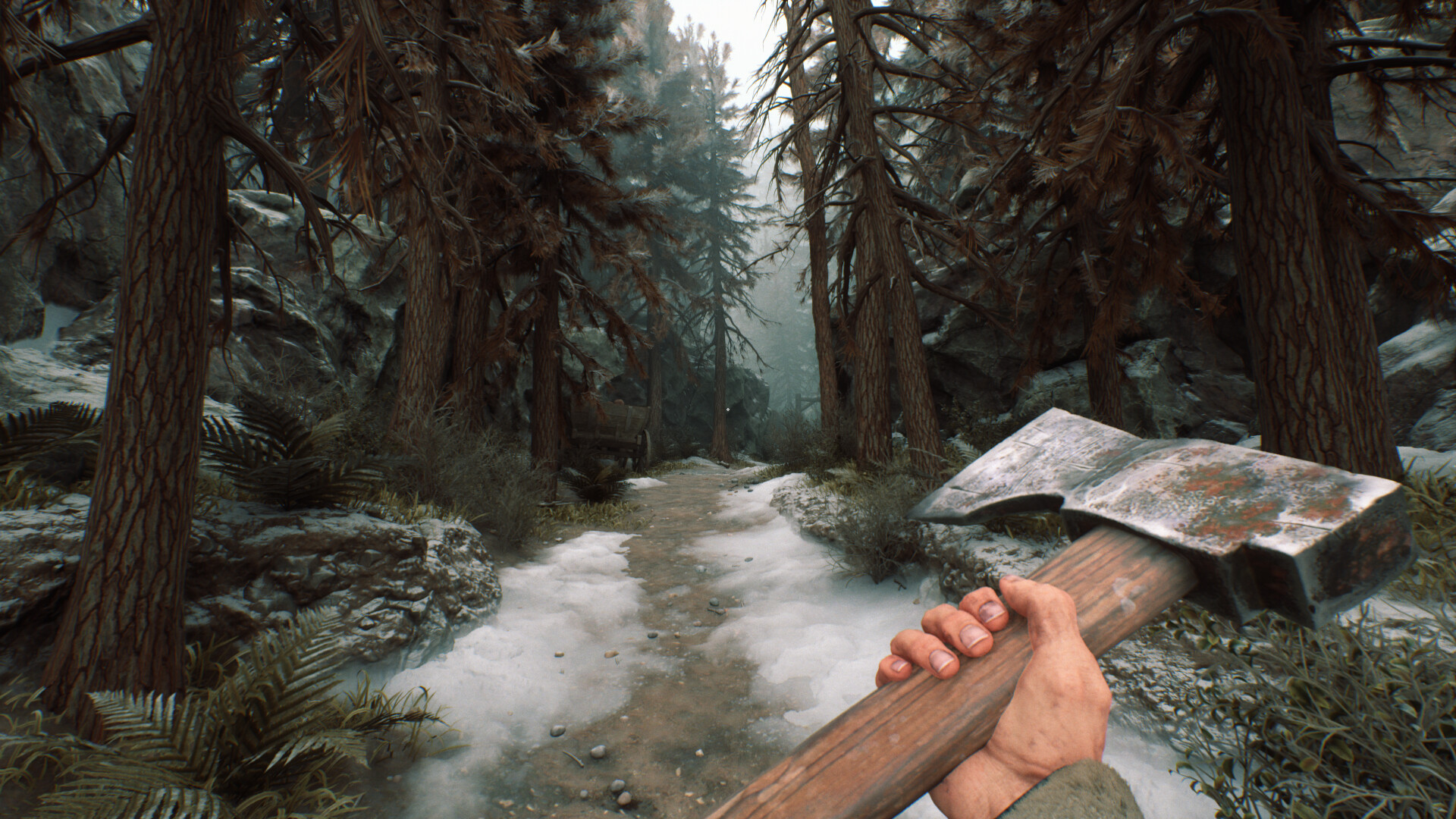
Sergey Korolyov, Misterial Games: In the spring, we launched Stygian: Outer Gods in early access alongside publisher Fulqrum. The project was challenging because it was necessary to consider the narrative of both the previous part (in another genre) and Lovecraft's own themes. However, the fans received the game warmly enough, and we are proud of what we've achieved as we move towards release. Raphaël Colantonio voiced the final theme and one of the characters, having proposed this collaboration himself, which was particularly pleasing.
Overall, though, the year was tough. We failed to find a publisher for our other long-term project, resulting in the loss of several valuable team members. Nevertheless, the core remained strong, and in the end, we signed two (albeit small) projects that will be announced in 2026.
Stygian: Outer Gods
What conclusions have you drawn as a development studio by the end of 2025?
Sergey: Initially, we were in the mid-level (AA) sector, which was challenging even before. Today, we're too big for indie publishers and too small for the big ones.
We've decided to reduce project scale to compete in the current market conditions and continue strengthening expertise in our genre. We also plan to develop games, at least for upcoming releases, on a single codebase to speed up production and avoid scattering resources. Most importantly, we strive to avoid overly optimistic forecasts and team expansion in the future, as the investment bubble of the early 2020s has proven costly for the industry.
Nevertheless, there is hope for gradual improvement and that our studio will find its place in the sun, as this "winter" seems to have lingered too long.
Has your practice of interacting with publishers/investors changed? Has it become easier or harder to work with them?
Sergey: It has become somewhat harder, as many of the people laid off in 2024 have banded together in new studios, increasing the burden on publishers. Meanwhile, publishers often face dire budget situations (they can recruit new projects but fail to pay revenue shares to signed ones) while publicly pretending all is well. These so-called zombie publishers are names everyone knows. There were times when you would negotiate, only to learn from the news the next day that the publisher had closed. So now, caution is advised.
Those publishers who have focused on their niche and modern promotion methods, forgetting about classical PR (these agencies seem ineffective), have a good situation. They understand and accumulate their audience well, successfully converting it between projects. It's currently a great time for small but efficient indie teams.
As for funds, it seems they are currently more willing to take stakes during seed funding with relatively small amounts. We attempted to raise a Round B but found it challenging without a project with active sales. Although, if active sales take off, investments might not be necessary. Such are the paradoxes of the industry.
We are now building a strategy that would allow us to eventually work without investors and publishers or work on more comfortable terms. All of this also creates constant pressure and its own risks, but such freedom still needs to be earned.
How was the year for the niche/genre you work in?
Sergey: The survival horror genre is moving towards saturation. Both highly talented indie games with unique mechanics and large projects like Silent Hill 2 have been released. Such projects set a very high bar for quality, so there's always a risk of going unnoticed.
In other genres, it’s no easier. A lot of great games are coming out, as evidenced by The Game Awards results. While it’s great for players, one must understand this happens due to intense competition among developers for attention.
So we decided to diversify more and focus not just on genre, but on our strengths, like challenging exploration. In other words, we create games for those who love exploring mysterious and dangerous worlds with engaging gameplay. We're simply doing what we love.
What trend enhancements or newcomers do you expect in your niche/genre in 2026?
Sergey: On one hand, there will be more content in all media, including AI-generated content. On the other hand, the value of authorial, imperfect-looking games with substantial depth might increase. Quality visuals and assets have long been unimpressive; content matters more.
Many niches will likely be overheated (friendslopes, checklist simulators, cleanups, etc.). Big companies might venture into these areas, as usual. It will be interesting to watch the rise of some old-new genre due to the growing and increasingly solvent audience.
What are the team's plans for 2026?
Sergey: We plan to release Stygian: Outer Gods and two new games, aiming to conclude 2026 on a highly positive note.
Taking this opportunity, I’d like to invite industry colleagues to my Telegram channel, where I share our development, game direction, and production experiences.