
Let's continue wrapping up the year 2025 with gaming teams. Up next is an interview with Igor Ilyukhin, the Chief Operating Officer of Far Far Games.
How was the year 2025 for your team? What were you able to accomplish, what are you proud of, and what, on the contrary, did you not manage to do?
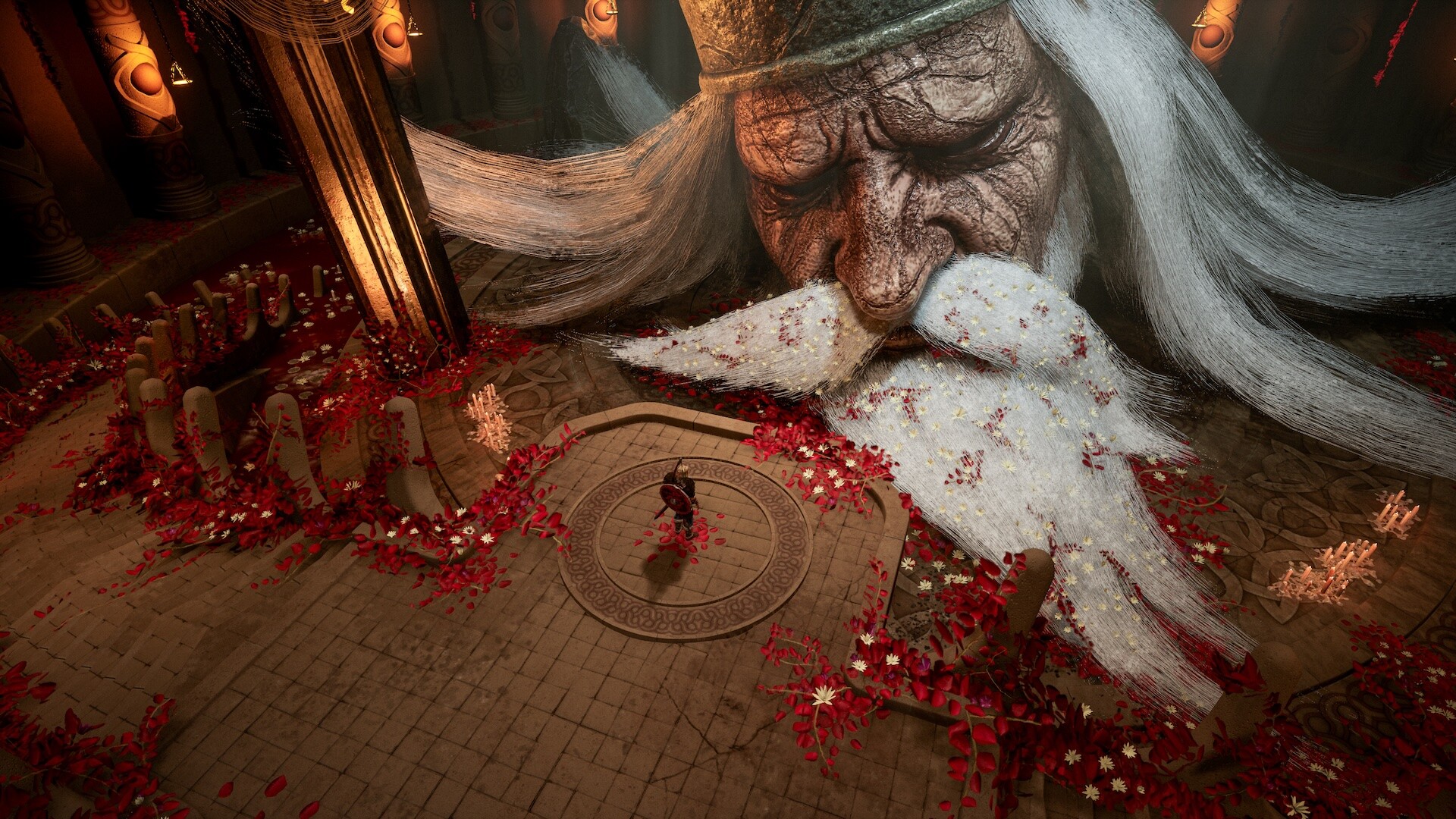
Igor Ilyukhin, Far Far Games: 2025 was a year of significant growth for us, with close engagement with the gaming community. We are truly proud of showcasing our game at numerous exhibitions at the most important events in the gaming industry, such as GAMESCOM, Tokyo Game Show, and our own “Igroprom” and “Igromir,” among many others. We managed to let a huge number of people play our project, gather invaluable feedback, and witness players' genuine reactions. Another major success was the increase in our wishlist numbers, which is the most honest indicator of audience interest!
We regret not being able to release the game as initially planned. This was a difficult but deliberate decision; we realized the project needed a bit more time to meet our quality standards and community expectations.
Bylina
What conclusions did you draw as a development studio from the outcomes of 2025?
Igor: The main takeaway is that the pace of change in the gaming industry continues to accelerate. Trends, technologies, marketing strategies, and even platforms change so quickly that you sometimes struggle to keep up. For us, this signaled the need to structure our processes more flexibly, be ready for quick adaptation, and dedicate even more time to market analysis without losing focus on our vision for the project.
Have your practices in interacting with publishers/investors changed? Has working with them become easier or more difficult?
Igor: It's hard to speak of a straightforward "complication." Rather, the market for interacting with publishers and investors has become different. It's become more structured, transparent, and at the same time more demanding. Partners now delve deeper into metrics, analytics, and the long-term strategy of a project. This requires us, as developers, to be better prepared with a clear understanding of our product and its place in the market. In a sense, it's become "harder" to work due to increased requirements, but this also makes collaborations more specific and effective.
Bylina
How was the year for the niche/genre you work in?
Igor: For our genre, 2025 was a year of steady growth, which generally aligns with the overall positive trend of the gaming market. The audience continues to show interest, and new successful projects are emerging, setting high standards. We see that the niche is alive, evolving, and offers room for experimentation, provided ideas are implemented with quality.
What trends are you expecting to strengthen or emerge in your niche/genre in 2026?
Igor: Predicting trends is no easy task. The industry is very dynamic right now. We are closely monitoring areas such as the further integration of AI tools into development processes, the growing importance of user-generated content, and cross-platform play. To provide a more accurate and structured forecast, like many in the industry, we turn to data analytics. But, of course, our main focus is on fundamental values: engaging gameplay, a deep narrative, and technical polish.
Bylina
What are your plans for 2026?
Igor: In 2026, we aim to achieve quality growth. Our main task is to finally release the long-awaited current project and support it post-launch. Simultaneously, we plan to lay the groundwork for the future: to start pre-production and early development of several new projects. This is an ambitious goal that will require us to scale up our processes and team, but we are confident that our accumulated experience will enable us to achieve this.