
Continuing with top managers and experts from the gaming industry (and related sectors) as we summarize the results of 2025. Up next — an interview with the co-founder of Kosmos Games, Ivan Doronin.
How was the year 2025 for your team? What were you able to achieve, what are you proud of, and what did you not manage to accomplish?
The year turned out to be good and very eventful. We made significant progress both in the development of products and in working with platforms.
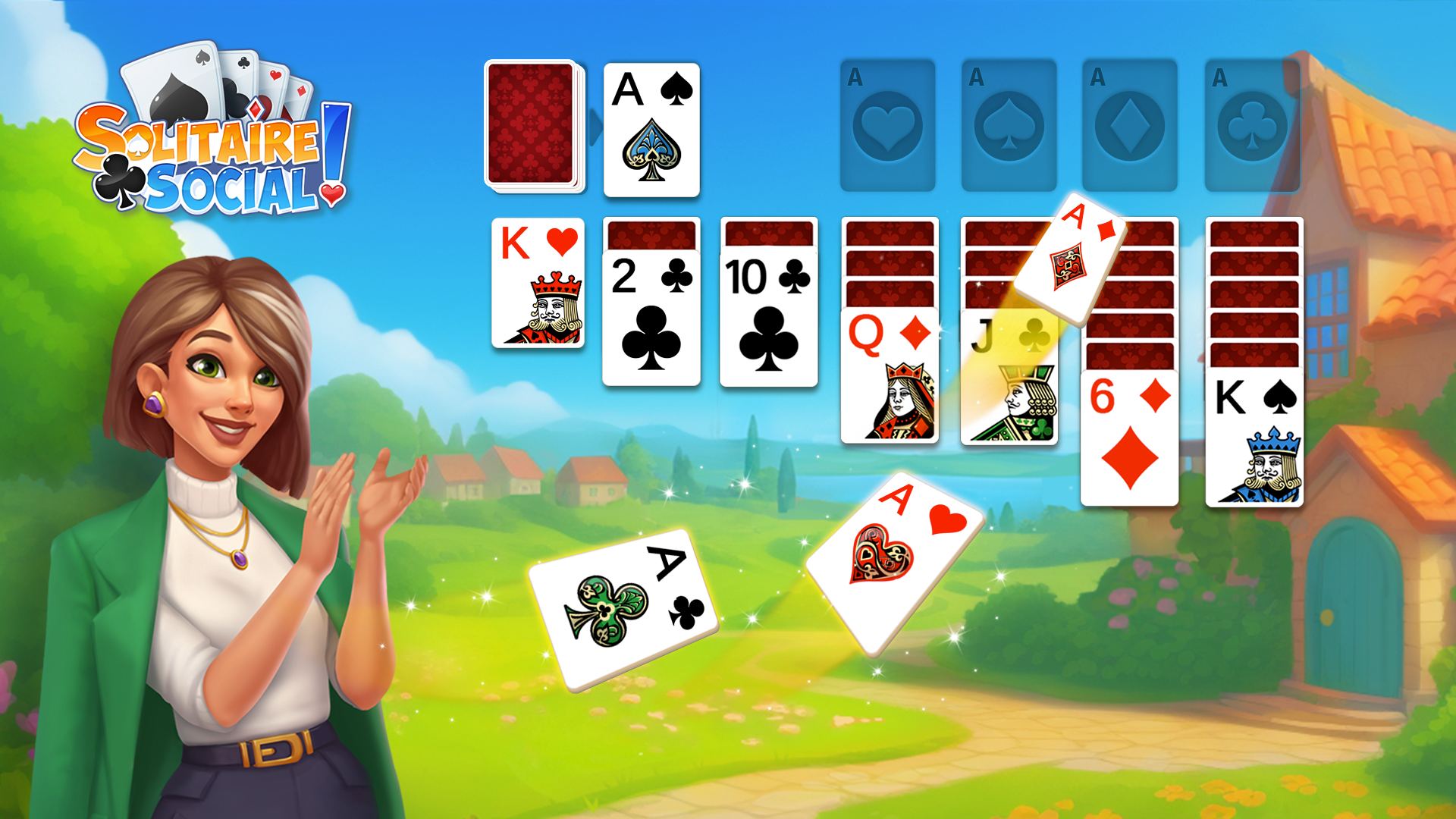
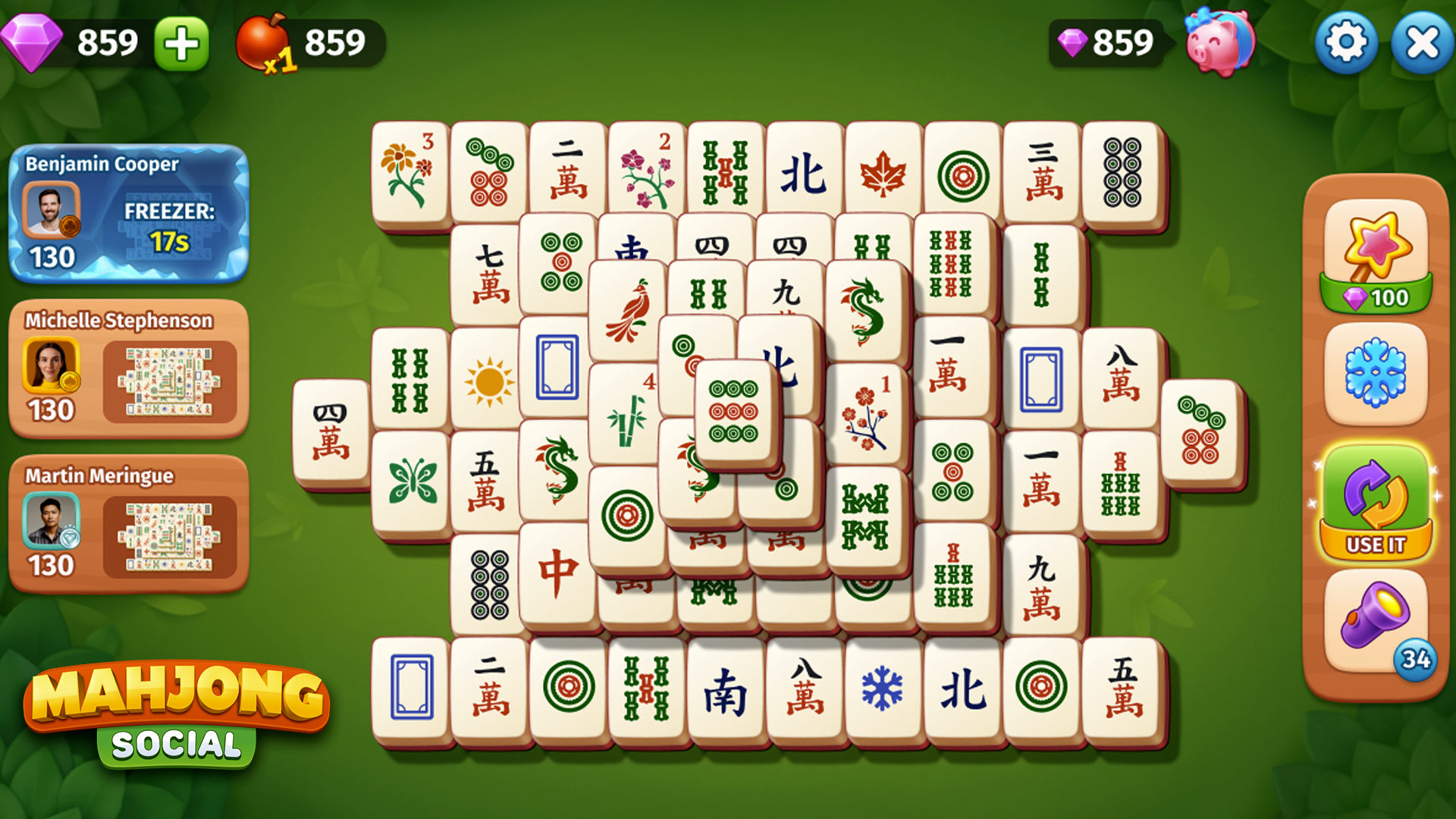
Throughout the year, we continued to evolve the already launched titles from our Social line (Solitaire Social, Mahjong Social, Yatzy Social) while simultaneously making several new experimental launches within the R&D direction. By strengthening our partnership relations with platforms, we managed to achieve a significant volume of organic installs — this became an important source of growth.
We are particularly proud of the progress in our internal R&D. This year, we introduced the metric Time-to-Insight — the time from starting a hypothesis test to obtaining the first data from real users. We set a strict benchmark for ourselves of one and a half months and, thanks to improvements, both processual and active use of AI, we managed to meet it.
Also in 2025, we launched the publishing direction. It's a new and fascinating experience, but definitely not a one-time thing — we will continue to develop it further.
What conclusions have you drawn as a development studio by the end of 2025?
The main conclusion is not to try to make overly long-term forecasts and strive to fit into them at all costs. The world changes faster and more unpredictably than any, even the boldest plans can account for.
For us, it became apparent that it is much more important to maintain flexibility and be able to quickly respond to new opportunities and challenges that regularly arise in the market.
The second important point is not to cling to established paradigms. We consciously choose niches that are less attractive to the largest players, such as web and social networks. This allows us to bring projects to profitability faster and find our "blue oceans" within the saturated "red ocean" of mobile game development.
Have practices for interacting with publishers/investors changed? Has it become easier/harder to work with them?
We are a full-cycle studio and do everything independently, so we do not depend on publishers like many in the market.
However, it is clear that the industry continues to grow and consolidate. For small teams, launching a new title today is indeed easier to do together with a publisher. On the other hand, there is a noticeable deficit of high-quality new products in the market. If you manage to create a truly strong game with good metrics, negotiating mutually beneficial terms is quite realistic (with effort, of course).
How was the year for the niche/genre you work in?
In our genre — casual PvP games with a social component — there were no drastic changes. We still understand and feel it well.
Looking more broadly at the casual mobile market, it has become noticeably more complex. Acquiring players is becoming more expensive year after year, and operations are getting deeper and more complex — you have to keep up with strong competitors who are constantly raising the bar. But here, AI may come to the rescue.
What strengthening or emergence of trends in your niche/genre do you expect in 2026?
Large companies with popular titles will release fewer new IPs on the market. Instead, they will continue working with old, proven titles by deepening gameplay and LiveOps, focusing on increasing LTV, brand development, and building an ecosystem around existing IPs (like the ever-living Candy Crush Saga).
The Hyper-Casual genre will continue transitioning towards Hybrid-Casual. The latter prevails due to deeper gameplay (better retention) and hybrid monetization. Longer retention increases LTV and, consequently, better marketing cost recovery.
The trend for authenticity and uniqueness (USP) in new games will grow even more, especially against the backdrop of AI accessibility. But this is classic marketing — differentiate or die. A good and simple idea is quickly replicated.
The combination of human + AI will be highly sought after. The growth of AI agents' use. AI is no longer a whim for geeks but a necessity that can significantly save budgets and boost productivity. However, there is a nuance: AI is a cool tool only when there is natural intelligence and skills. It saves time for intelligent people but does not replace them.
What are the team's plans for the coming year?
We have many plans, and they are all ambitious, yet the business goals and the company's profitability remain our top priority.
On one hand, we will continue to focus on niches that we understand well and will make several launches on social networks and web platforms. On the other — we will further actively develop R&D and experiment with mobile platforms, targeting a broader market.
And as usual, we will sum up the results in a year.
And finally, a metaphor.
Sometimes the game development market resembles a music school. Imagine you are a musician, and at the start of the new year, you are given more complex pieces. To move to the next grade, you need to learn to play them cleanly and confidently. Fail, and you're out.
Meanwhile, you already have an audience, your fans, thanks to whom you live. If you stop growing and repeat the same techniques, even your followers will quickly lose interest.
To attract new listeners, it is not enough just to play old hits — you need new compositions, new expensive instruments, and constant work on technique.
And most importantly: the notes will definitely be even more challenging next year. Novices and amateurs will eliminate themselves. The key question is who will be ready for conservatory level.