
We continue to summarize the results of 2025 with gaming teams. Next up is an interview with Robert Bagratuni, head of Mundfish.
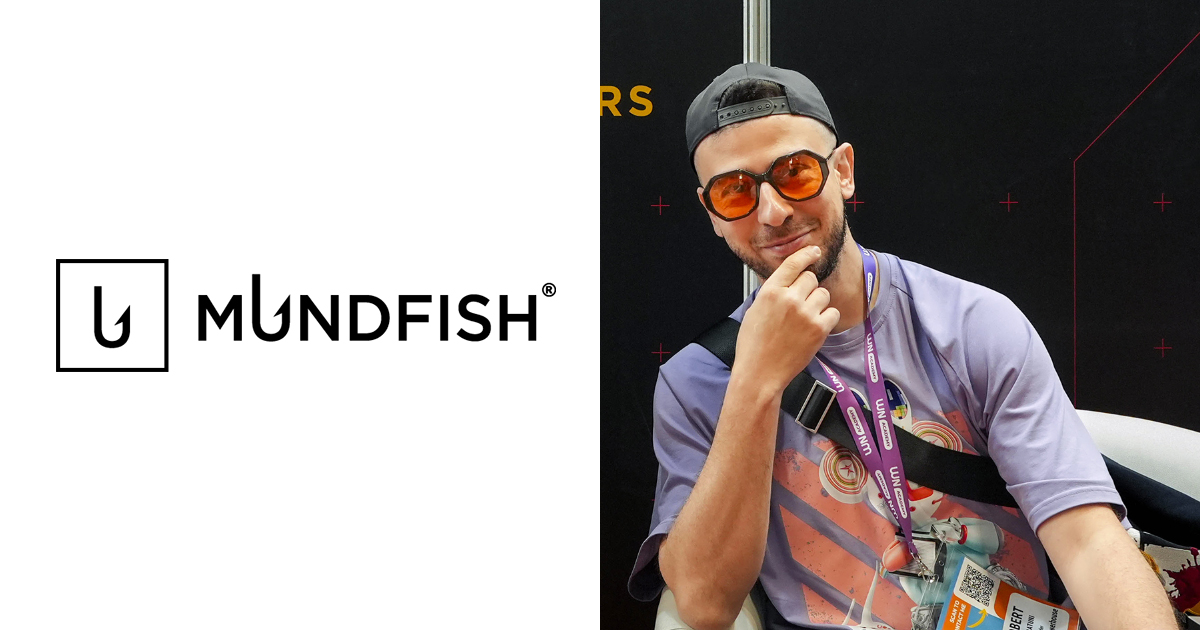
How was the year 2025 for your team? What achievements are you proud of and what didn't you manage to accomplish?
Robert Bagratuni, Mundfish: For Mundfish, this year was one of growth, studio expansion, and the establishment of long-term partnerships. The key focus of this effort was the development of the Atomic Heart franchise.
It was important for us to introduce new projects within the Atomic Heart universe and demonstrate that it can organically exist across different genres. A major goal for Mundfish was to shed the image of being a one-project studio.
Therefore, we continued to support the first installment of Atomic Heart. Soon, DLC#4 will be released, concluding the first part of the adventures of Major Nechaev, the Twins, KRAZ, and other key characters. It promises to be interesting.
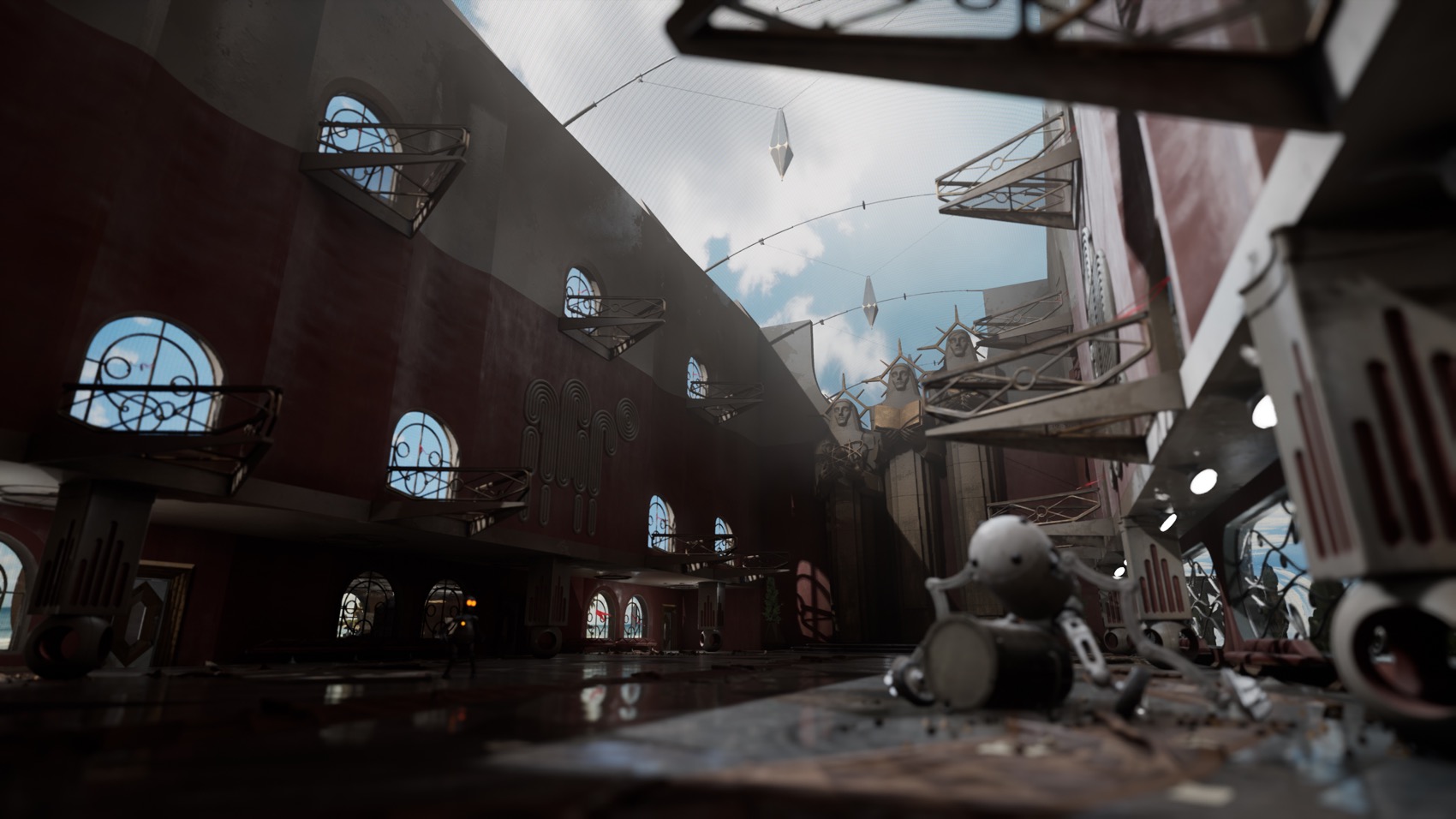
Atomic Heart: DLC#4
Simultaneously, we worked on Atomic Heart 2 and The CUBE. Additionally, we launched Mundfish Powerhouse as a separate division with its first impressive project, ILL. This was a conscious step for us, one that we have been preparing for several years.
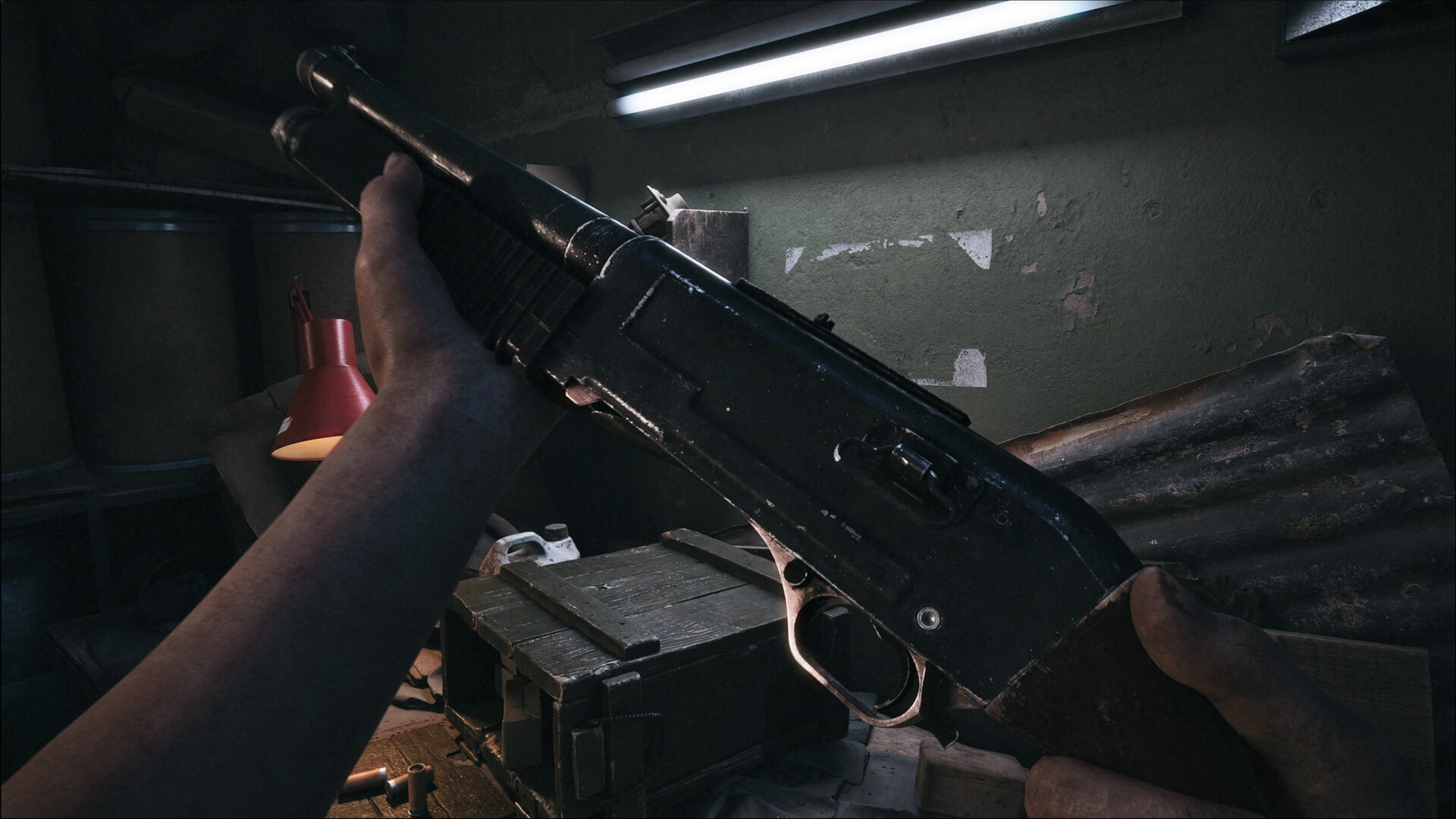
ILL
It's worth noting that some technological solutions in The CUBE posed a significant challenge for the team. Rotating millions of objects in real-time online is an extremely complex task. Nevertheless, we are convinced that one must set the most ambitious and bold goals. This approach enables the creation of truly unique games.
The whole team experienced genuine satisfaction when the technological challenges were successfully resolved and, importantly, demonstrated an outstanding level of performance and optimization.
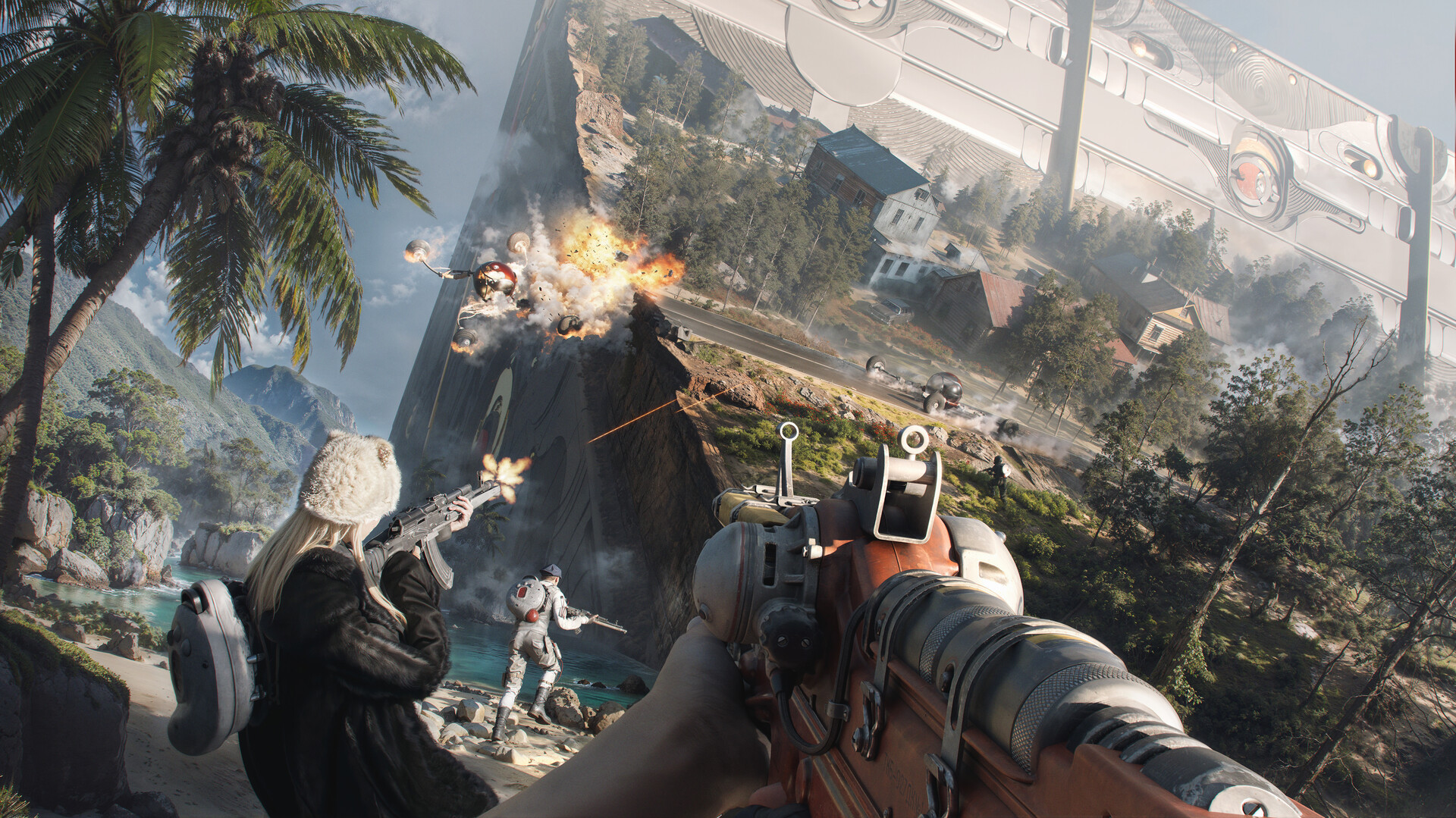
The CUBE
What conclusions have you drawn as a development studio from the year 2025?
Robert: The main takeaway from 2025 was very simple: scale always requires structure. Ideas, talent, and energy are important, but when a studio moves beyond a single project, it's necessary to restructure processes.
Another important insight concerns focus. In 2025, many opportunities emerged. Sometimes one wants to delve into everything, not disconnect, and work late into the night because there are more ideas than hours in the day. But at some point, it becomes clear that it's crucial to prioritize.
Has your practice of interacting with partners changed? Has working with them become easier or more difficult?
Robert: Yes, our practice of interacting with partners has changed for the better.
After the success of Atomic Heart, we reached a new level of trust from partners, as the studio proved it could handle major releases. This significantly simplified dialogue and simultaneously increased responsibility.
In addition to the trust we earned in the gaming market, we also converted experience and expertise into Mundfish Powerhouse.
Thus, Mundfish Powerhouse is not just about publishing and marketing but, more importantly, expertise in project development. We share technologies, internal tools, and ready-made solutions that have been tested in our own projects. We bring in specialists when we see narrow or problematic areas and help pull them out of the valley of death. This applies to all project tasks—from production to technology and pipeline building.
An important note is that we have built our own motion capture and sound studios to enhance the quality of our projects, and we can now assist other teams with this. We have gone through all these complexities, mistakes, and restructuring of processes ourselves and are truly proud that we can share this experience and help other studios tackle similar challenges.
This approach is more complex than the classic publisher-developer model, but for us, it is more honest and effective. Our task is to strengthen the project and the team while preserving their authorial identity.
How was the year for the niche/genre in which you operate?
Robert: I think 2025 continued and reinforced trends that have been forming in the industry for several consecutive years.
We are seeing more clearly that AAA and AA project budgets cannot continue to grow indefinitely. Meanwhile, players are increasingly rejecting beautiful facades without substance, and yet another safe and predictable project is more often overshadowed by bolder releases. This is evident from the ongoing delays of major AAA games. Even large studios are increasingly finding that conventional approaches simply stop working within expected timelines.
In this context, projects that aren't afraid to experiment stand out. Yes, the indie segment has been growing for several years now, but it remains relatively niche, and not all audiences are ready to take risks and try something new. It's even more interesting that, year after year, it is the bold projects that deliver increasingly stronger results.
R.E.P.O., PEAK, Escape From Duckov, Megabonk, RV There Yet? — games with unexpected ideas and solutions that likely wouldn't appear within classic AA frameworks but truly entertain and fulfill the reasons players engage with games.
For us, this is a positive and important signal. The gamer audience continues to grow, yet there still aren't many bold projects. Therefore, studios willing to take conceptual risks and explore new forms have a growing chance of being heard and finding their audience.
What strengthening or emergence of trends in your niche/genre do you expect in 2026?
Robert: We expect a further strengthening of the existing trends. Systemic worlds with vibrant environments and NPCs will become increasingly important. Online projects will more frequently offer coherent narratives and meaningful contexts, rather than just service mechanics.
At the same time, there is a demand for more interesting and unconventional game design solutions. Experiments with form, interaction rules, and game systems will appear more often, as these are the elements that provide players with new experiences and emotions today.
And, of course, the move towards a more honest and calm dialogue with the audience without unnecessary marketing noise will continue.
What are the team's plans for 2026? And what role does Powerhouse play in them?
Robert: The year 2026 for us is about the realization of the foundation we've laid. In key areas, we will continue to develop the Atomic Heart franchise. Next year, the fourth and final expansion for the first part will be released. We understand that usually only the most loyal fans complete all the DLCs, but for us, this is no reason to treat the content formally. On the contrary, this expansion will be the most saturated in terms of volume, drama, and ideas. This is our world and our responsibility to our players.
Simultaneously, we continue to work on Atomic Heart 2. In 2026, we face several important milestones, but we originally viewed this project as a long and very significant journey and are ready to pursue it as long as it takes to achieve the desired quality.
Another important area is The CUBE, which next year will transition to a new stage of public awareness. We will begin to gradually reveal details and share what we are working on.
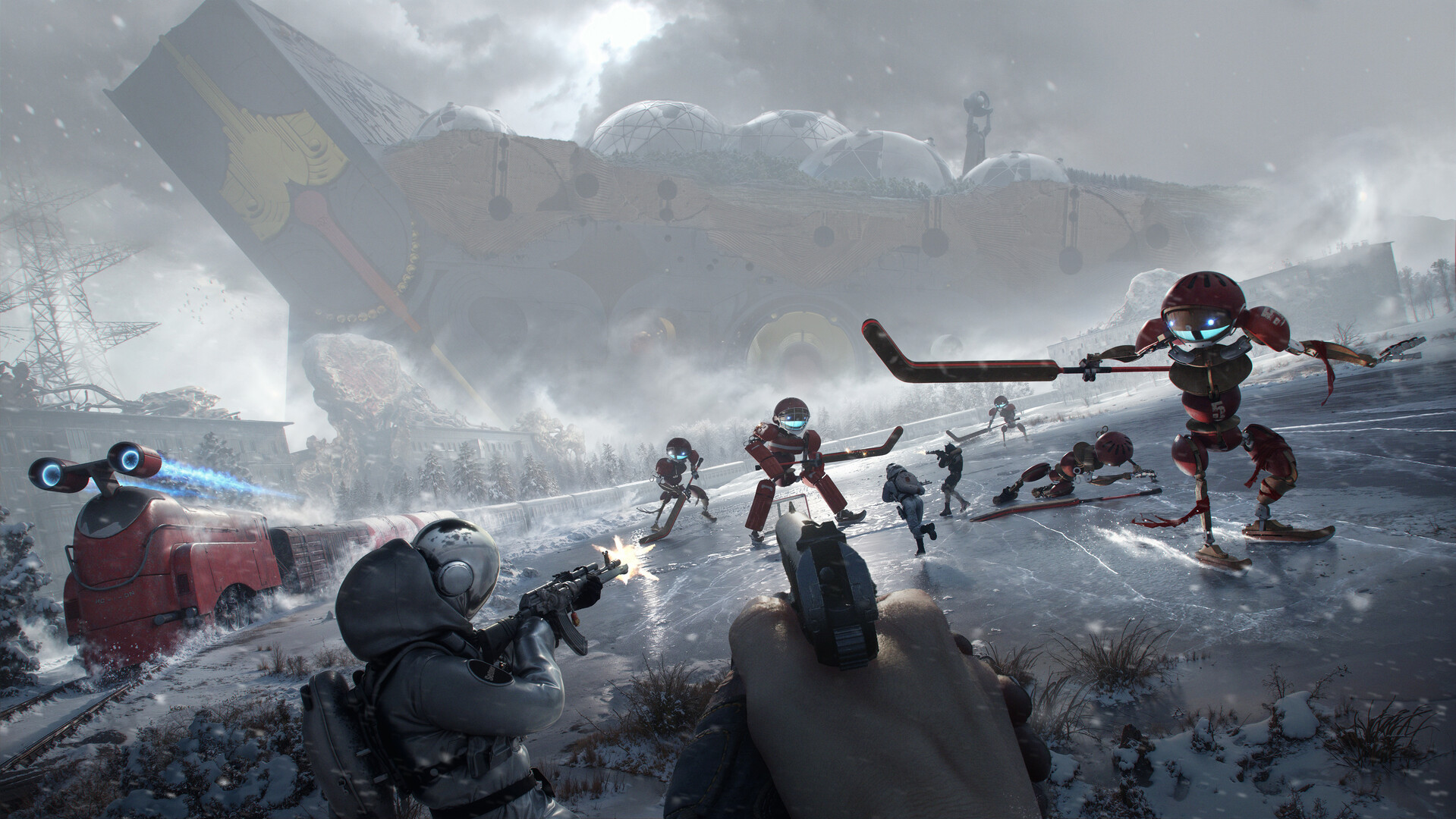
The CUBE
And, of course, scaling Mundfish Powerhouse. In 2026, Powerhouse will continue its stable growth and development. It is an entry point for studios in need of not just declarative support but specific assistance with technologies, specialists, pipelines, and production capabilities.
We do not strive to become a content factory. Our goal is to support strong, authorial projects and teams that, without such support, might not reach release or fully realize their potential.