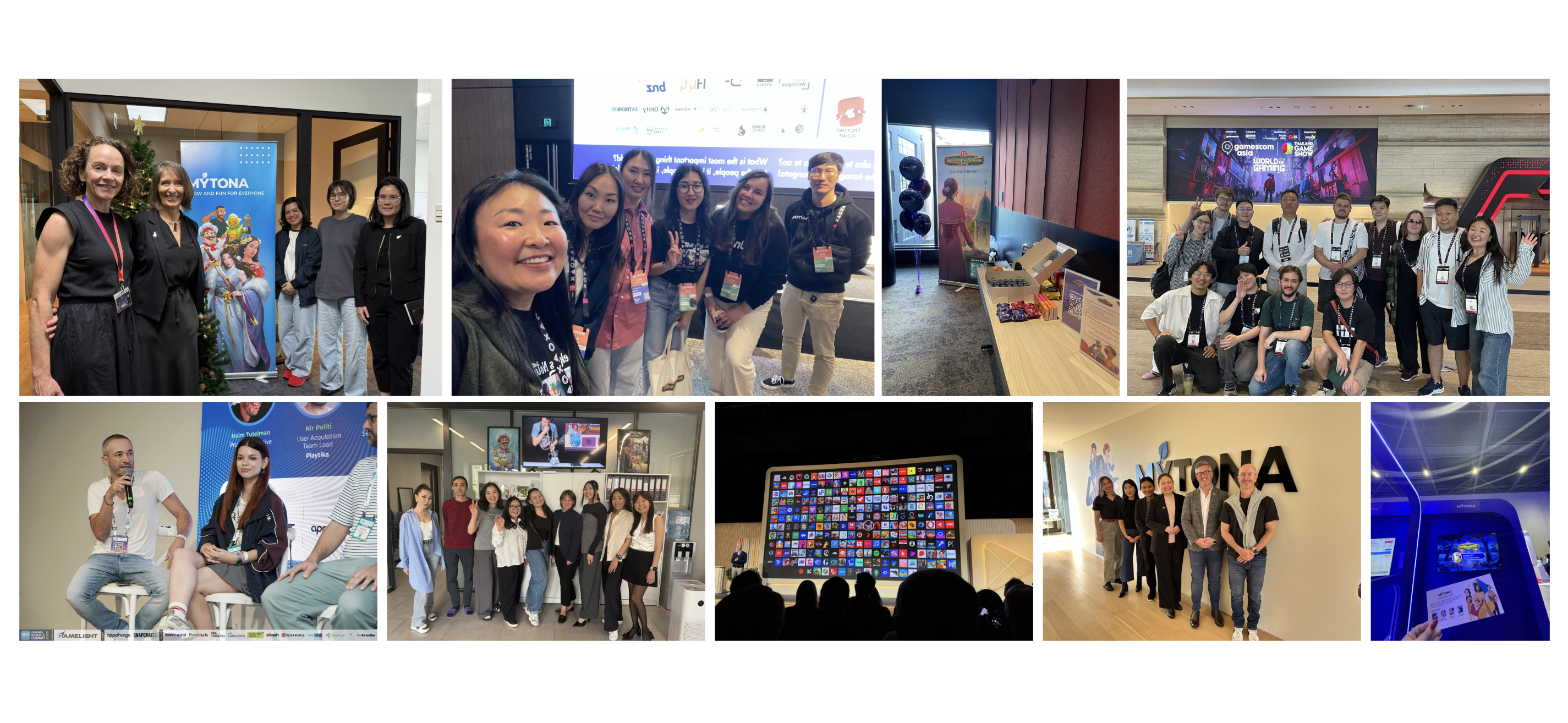
We continue to wrap up 2025 with gaming teams. Up next is an interview with Daria Pogrebniak, Business Development Manager at Mytona.
How was 2025 for your team? What were you able to achieve, what are you proud of, and what, on the contrary, did you not manage?
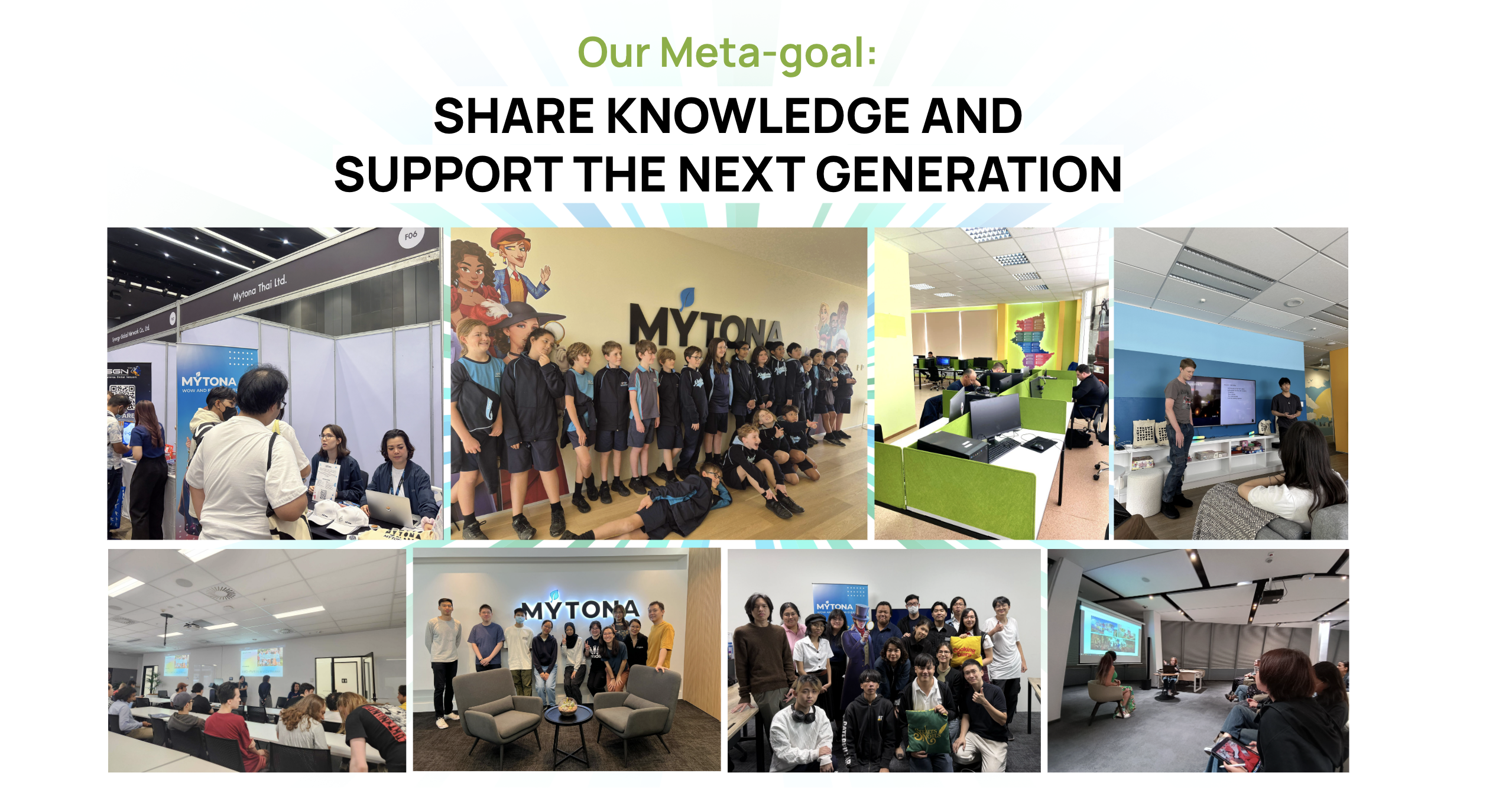
Daria Pogrebniak, Mytona: 2025 was a very busy and defining year for Mytona. It was a year of significant updates and changes in our work approaches, both at the company level and for our games. We updated our logo, corporate identity, and launched a new website, reimagining the brand's visual language and how we communicate with the industry and players today. For us, this wasn't just a redesign but an important stage in the evolution of the company. We've long felt that our visual image needed to become warmer and, above all, player-oriented. In the updated logo, we combined our past and future: we brought back the iconic green leaf—a symbol of joy, energy, and growth—and enhanced gaming associations, making the identity more lively and intuitive. This step reflects how we see ourselves today as a team and a gaming company.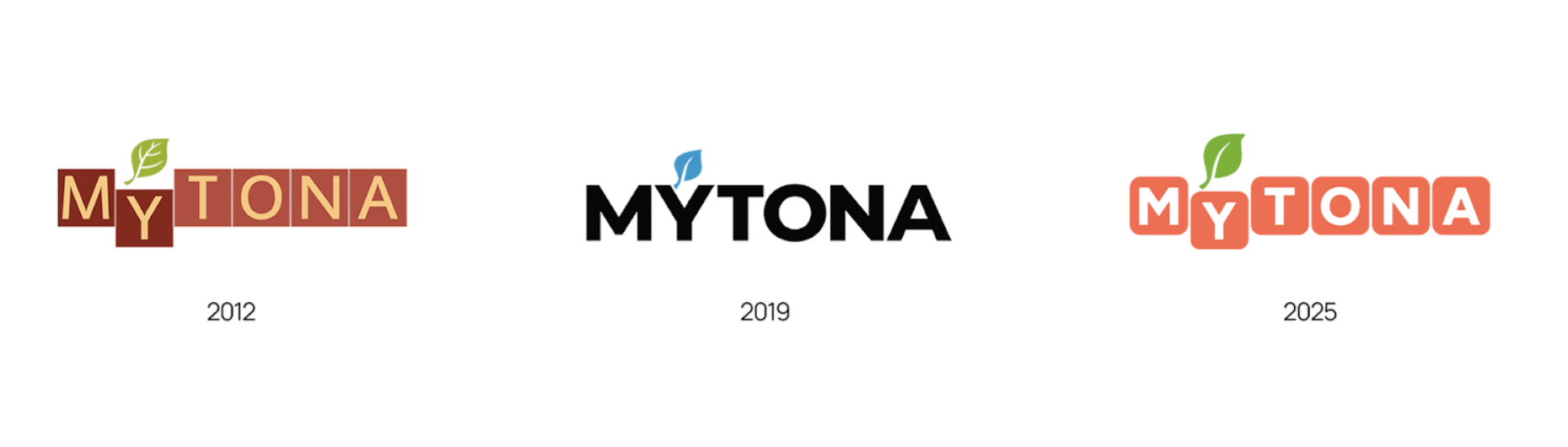 Alongside the active development of our games, we continued to work systematically on team culture and the company’s vision. In 2025, we formulated a new meta-goal: “Share knowledge and support the next generation.” For us, this is not just a corporate slogan, but a shared goal for the entire Mytona team. Everyone can contribute — through mentorship, public speaking, participation in industry juries and competitions, educational initiatives, and support for local communities.
In many ways, this meta-goal became a natural stage in the company’s evolution. In 2025, our founders, Alexey and Afanasey Ushnitsky, marked 20 years of professional activity. During this time, Mytona has grown from a small team in the North into an international developer with sustainable projects and strong expertise. At a certain point, it becomes important not only to develop your own products, but also to share accumulated experience with the industry and with those who are just beginning their journey in game development.
Already in 2025, this meta-goal began to turn into concrete actions in our key regions. In New Zealand, we launched a pilot after-school game development class for students. In Thailand and Singapore, internship programmes were launched, giving young specialists the opportunity to gain practical experience and immerse themselves in real game development. In Kazakhstan, the meta-goal is being implemented across several directions — from mentorship and our specialists’ participation as judges in competitions to educational initiatives and support for classrooms and creative communities. This represents a comprehensive and long-term contribution to supporting the game development ecosystem.
What we value most in these initiatives is not only the transfer of knowledge. Every interaction with the younger generation — their curiosity, questions, and fresh perspective — also inspires our own team. It works both ways: we share our experience and support, and in return we receive energy, new ideas, and a reminder of why we create games in the first place. That is why this meta-goal is truly alive for us — it grows together with the team and becomes an important part of our continued development.
Alongside the active development of our games, we continued to work systematically on team culture and the company’s vision. In 2025, we formulated a new meta-goal: “Share knowledge and support the next generation.” For us, this is not just a corporate slogan, but a shared goal for the entire Mytona team. Everyone can contribute — through mentorship, public speaking, participation in industry juries and competitions, educational initiatives, and support for local communities.
In many ways, this meta-goal became a natural stage in the company’s evolution. In 2025, our founders, Alexey and Afanasey Ushnitsky, marked 20 years of professional activity. During this time, Mytona has grown from a small team in the North into an international developer with sustainable projects and strong expertise. At a certain point, it becomes important not only to develop your own products, but also to share accumulated experience with the industry and with those who are just beginning their journey in game development.
Already in 2025, this meta-goal began to turn into concrete actions in our key regions. In New Zealand, we launched a pilot after-school game development class for students. In Thailand and Singapore, internship programmes were launched, giving young specialists the opportunity to gain practical experience and immerse themselves in real game development. In Kazakhstan, the meta-goal is being implemented across several directions — from mentorship and our specialists’ participation as judges in competitions to educational initiatives and support for classrooms and creative communities. This represents a comprehensive and long-term contribution to supporting the game development ecosystem.
What we value most in these initiatives is not only the transfer of knowledge. Every interaction with the younger generation — their curiosity, questions, and fresh perspective — also inspires our own team. It works both ways: we share our experience and support, and in return we receive energy, new ideas, and a reminder of why we create games in the first place. That is why this meta-goal is truly alive for us — it grows together with the team and becomes an important part of our continued development.
 From a product perspective, 2025 was varied but very important.
- Seekers Notes celebrated its 10th anniversary—a rare milestone for a mobile game with an active and engaged audience. The preparation for the anniversary was extensive, and the in-game celebration lasted almost four months. It was successful both for the community and the business: we saw growth in engagement, retention, stickiness, and ARPU/ARPPU, and received thousands of warm reviews and even video greetings from our most loyal players. We continue to see increased competition in UA in the casual segment, which slows our player base growth, but we remain committed to our approach—not attracting players at any cost but focusing on product quality and honest interaction with the player.

- Cooking Diary turned seven years old in 2025, which is also a significant age for a mobile game. This year, the team moved into a phase of bolder and decisive changes, overall revisiting the game's economy and paying more attention to user experience. One of the key achievements was reducing player churn rate, enabled by conceptual changes to game balance and level difficulty. An important confirmation of the quality of these changes was that in 2025, Cooking Diary was selected by the App Store editorial as "Game of the Day" in more than 170 countries worldwide. We are proud of the speed and focus with which the team moved this year.

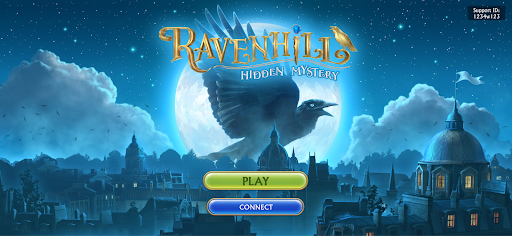
- This year, we also made the difficult but important decision to close one of our projects, Outfire. It was a conscious step, especially in the current market conditions, where it's essential to move on if a project doesn’t hit the expected metrics. Instead, we have focused on relaunching Ravenhill, deeply reworking the game to meet modern standards and market expectations—from UI and core features to storyline, FTUE, and key events.
- Chef & Friends confidently gathered an audience in 2025. The team put in a lot of effort into adding content and activities for players—updates were rich with new content, eagerly awaited by players, sometimes even with multiple events simultaneously. The project already showed strong results, including being #1 in the Free Games category in Malaysia, and we feel ready for the next challenges.
 Of course, not everything was implemented—we didn't manage to launch some new events and initiatives we had planned, as the market develops very quickly, and the demands for LiveOps quality are constantly increasing. But 2025 helped us clearly set priorities, strengthen our foundation, and approach 2026 with a clearer focus on speed, quality, and long-term value for players.
What conclusions did you draw as a development studio by the end of 2025?
Daria: The main takeaway of 2025 was a focused awareness of our true strengths as a company: the ability to create and manage games for the long haul. At the same time, we understand that the modern market and constantly growing competition require great effort, flexibility, and continuous professional growth. Today, Mytona focuses on genres where we have deep expertise and a long-term understanding of the audience: Hidden Object and Time Management. Our key projects in these niches are consistently among the top 3 global games, and we see potential for their further growth. The second important insight is that we reaffirmed the importance of maintaining creativity and boldness in addressing questions for further growth. It's crucial to evaluate any changes long-term, not just based on short-term metrics, and ensure that LiveOps and events enhance the core gameplay rather than replace it.How was 2025 for the niches and genres you work in?
Daria: 2025 demonstrated that even mature and seemingly conservative genres continue to evolve. Hidden Object remains a robust segment: leading projects are strengthening LiveOps, borrowing mechanics from match-3 and merge, and adding more meta-content and social elements. Time Management, conversely, is still in a recovery phase post-COVID peak, but this creates room for experimentation and rethinking the genre. Overall, the mobile gaming market is becoming more competitive and mature: budgets are increasing, regulation is tightening, and players increasingly choose quality, honesty, and depth of experience. Meanwhile, the mobile segment remains resilient and flexible, as evidenced by the market's stable revenues despite competition with other entertainment formats.What trends do you expect to strengthen or emerge in 2026?
Daria: In 2026, we expect several key trends to strengthen:- further development of LiveOps and the fight for continuous player engagement;
- growth of social and cooperative mechanics—guilds, joint events, competitions;
- strengthening hybrid formats, where core gameplay is complemented by mini-games, expeditions, and meta-systems;
- demand for a friendlier, less stressful gaming experience;
- growth in the importance of community and transparent communication between developers and players.
What are your team's plans for 2026?
Daria: In 2026, the Mytona team will focus on systematic changes and sustainable growth. We will continue to:- enhance the quality of our games and the depth of the gaming experience;
- develop Chef & Friends, focusing on marketing and audience scaling;
- strengthen the economy, retention, and long-term progression in our key projects;
- invest in LiveOps, seasonality, and content diversity;
- develop a player-centric approach—from support and community to development processes.