
Continuing our review of the year 2025 with gaming (or gaming-related) teams and experts. In the third retrospective interview, we spoke with Dmitry Sigov, the Customer Success Manager at Tenjin.
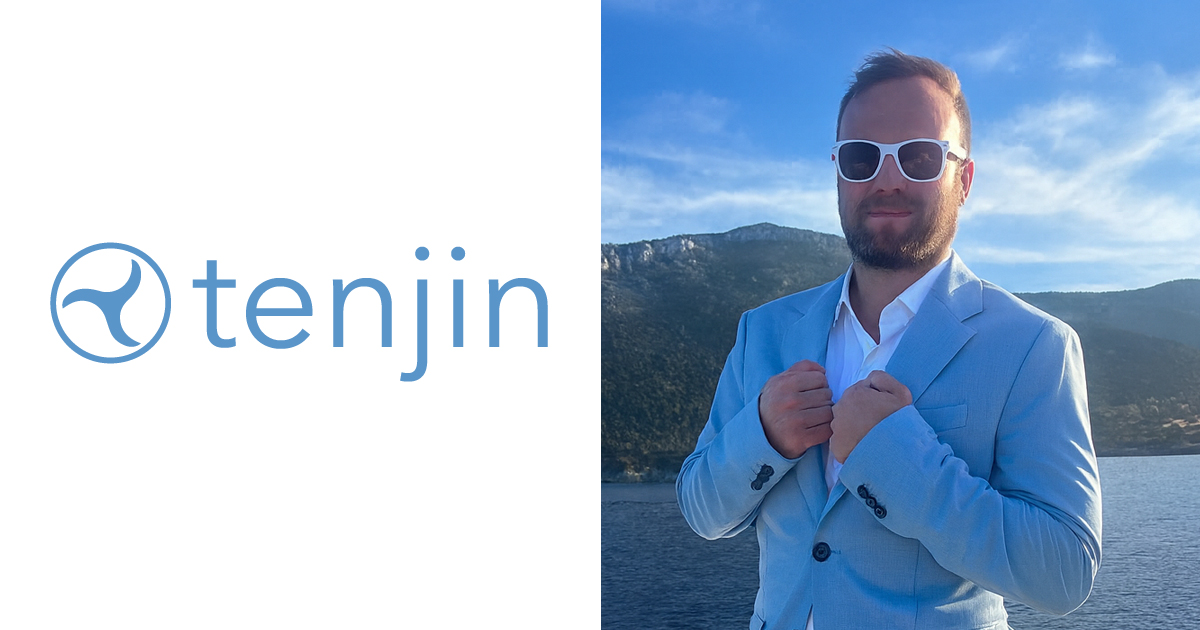
What was the year 2025 like for your company? Which areas showed the most growth?
Dmitry Sigov, Tenjin: The year 2025 was very successful for Tenjin. We significantly grew and achieved several key goals. One of the major accomplishments was obtaining the META MMP status, which significantly strengthened our market position.
We also introduced a new feature, Predicted LTV, which received excellent feedback from clients and became a growth driver. Additionally, we secured numerous new partnerships and added several important integrations, expanding the capabilities of our platform.
Moreover, there was notable interest in S2S attribution (without SDK) from non-gaming applications. This area is showing serious growth.
Thanks to our successes, the team was able to enjoy a team-building trip to Hawaii. A great motivation for further achievements!
How has the mobile UA market changed in terms of channels, tools, and strategies?
Dmitry: As a running enthusiast, I’d draw a parallel — the race for mobile users has become akin to a marathon with obstacles: just "buying an installation" is no longer sufficient. Now, it's more important that the user stays, doesn’t forget their password, and ideally, subscribes.
In other words, it’s better to have one expensive user who returns and spends money than a hundred free ones who disappear faster than a cat off a couch.
Meanwhile, game rules are changing due to privacy concerns. Consents must be collected delicately, behavior analyzed, and offers tailored to what each specific user is genuinely interested in. If done correctly, users will be grateful, and you will be wealthier.
Plus, AI is now everywhere, at every stage of acquiring mobile users. It analyzes audience behavior and segments, automatically selects creatives, and forecasts LTV. As a result, marketers can test hypotheses faster, reduce costs, and attract more valuable users.
How has the nature of working with gaming studios changed? What new aspects have emerged in requests, budgets, and collaboration formats?
Dmitry: Studios are seeking long-term and reliable partnerships, valuing quick support and open communication via messengers. This format allows for swift agreement on all financial and technical issues, free from bureaucracy and delays.
Additionally, there’s a growing interest in predicting campaign outcomes and analyzing creative success. Studios want to understand which approaches genuinely attract valuable users and generate revenue to optimize budgets and enhance marketing effectiveness.
Which user acquisition approaches proved most effective in 2025? Which ones stopped working?
Dmitry: Approaches to acquiring mobile users have become much more sophisticated and result-oriented than before. The focus is on user quality: now it’s crucial not just to get an installation, but to retain the person in the app, engage them actively, and if it's a monetized game, encourage purchases. Thus, interactive ad formats (playable ads) that allow users to "try out" a game before installing and reward videos that provide bonuses for watching have been highly successful.
The active use of AI and creative personalization has become key since it allows precise audience segmentation, prediction of user value, and tailoring ads to each player's interests.
What conclusions from 2025 can be useful for studios planning marketing campaigns for 2026?
Dmitry: I would advise looking for tools that offer more flexibility.
What trends in mobile advertising, creatives, and UA optimization do you expect in 2026?
Dmitry: In 2026, mobile advertising will become even more precise: AI will select audiences and create creatives for each user, while interactive formats will attract more valuable players.
UA campaigns will become even more predictable. I anticipate that retention, LTV, and ARPU will begin to be assessed before campaign launch, with budgets optimized in real-time. Additionally, I foresee a trend where UA will immediately integrate with monetization, so that campaigns are initially aimed at paying users, with creatives tailored to those goals.
What areas does the company plan to develop in 2026?
Dmitry: The focus will be on AI interactions, which will help improve analytics, forecasting, and campaign optimization, along with the development of S2S functionality, subscription tracking, and raw data analytics.