
We continue to summarize the results of 2025 with gaming teams (or those related to the gaming industry). This time, we talked to Stas Starykh, CEO and co-founder of Brigada Games studio.
What kind of year was 2025 for your team? What did you accomplish, what are you proud of, and what, on the other hand, did you not manage to complete?
For us, 2025 was a turning point in the company's history, as we tried our hand at game development for the first time by taking on our first project. As a result, we created something that captured the attention of players, influencers, and the press from around the world.
We didn't manage to release the game in 2025 as planned due to several mistakes, largely organizational, which cost us significant time. The release was postponed to January 12, 2026.
We gained tremendous experience and built a strong team, learned how to communicate with players, and gathered a large community of players on Discord — now over 42,000 members.
I personally figured out what publishing entails and realized how overvalued it is by developers (a fact that publishers profit from). The main tool of game marketing is the game itself, with about 10-20% of success attributed to PR, Steam, influencers, and social media.
We are currently fixing the last bugs and preparing for the release, which is less than a month away. We are excited.
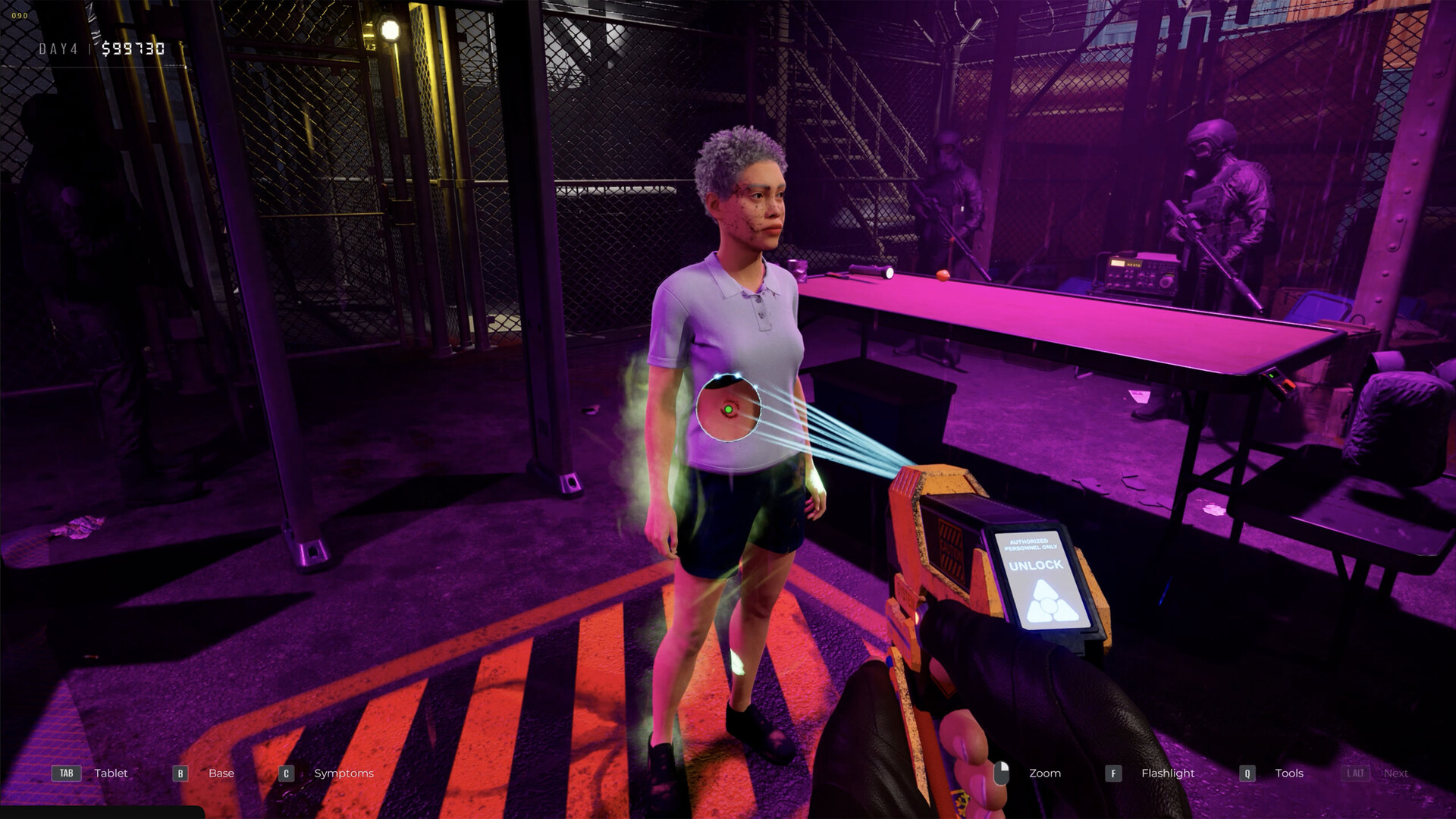
Quarantine Zone: The Last Check
What conclusions have you drawn as a development studio from the year 2025?
Now is the best time for small studios: players love to experience new things and encourage experimentation. Steam is accessible to everyone, and if you approach development correctly, influencers will pick it up themselves, followed by players and the press.
Has the practice of dealing with publishers/investors changed? Has it become easier/more difficult to work with them?
There's a phrase from the series Silicon Valley: “A good salesperson sells good products, that's why they're a good salesperson.”
A good publisher is one that chooses games that sell well.
The key competence of a publisher is making the game better, meaning it boils down to production and game design. In this regard, we were very lucky with Devolver Digital. We received immense 20-year expertise and significantly improved the game quality thanks to the company.
A publisher who only deals with trailers and sending press/influencer emails is not a publisher but a marketing agency. Nowadays, this can essentially be done by one person handling it on their own.
The negotiation position with a publisher greatly depends on your game's position in the top wishlisted. The higher the position, the better terms you can secure from the publisher. Therefore, I always advocate the approach: first influencers, then publishers. Get influencer support and wishlists — publishers will come to you.
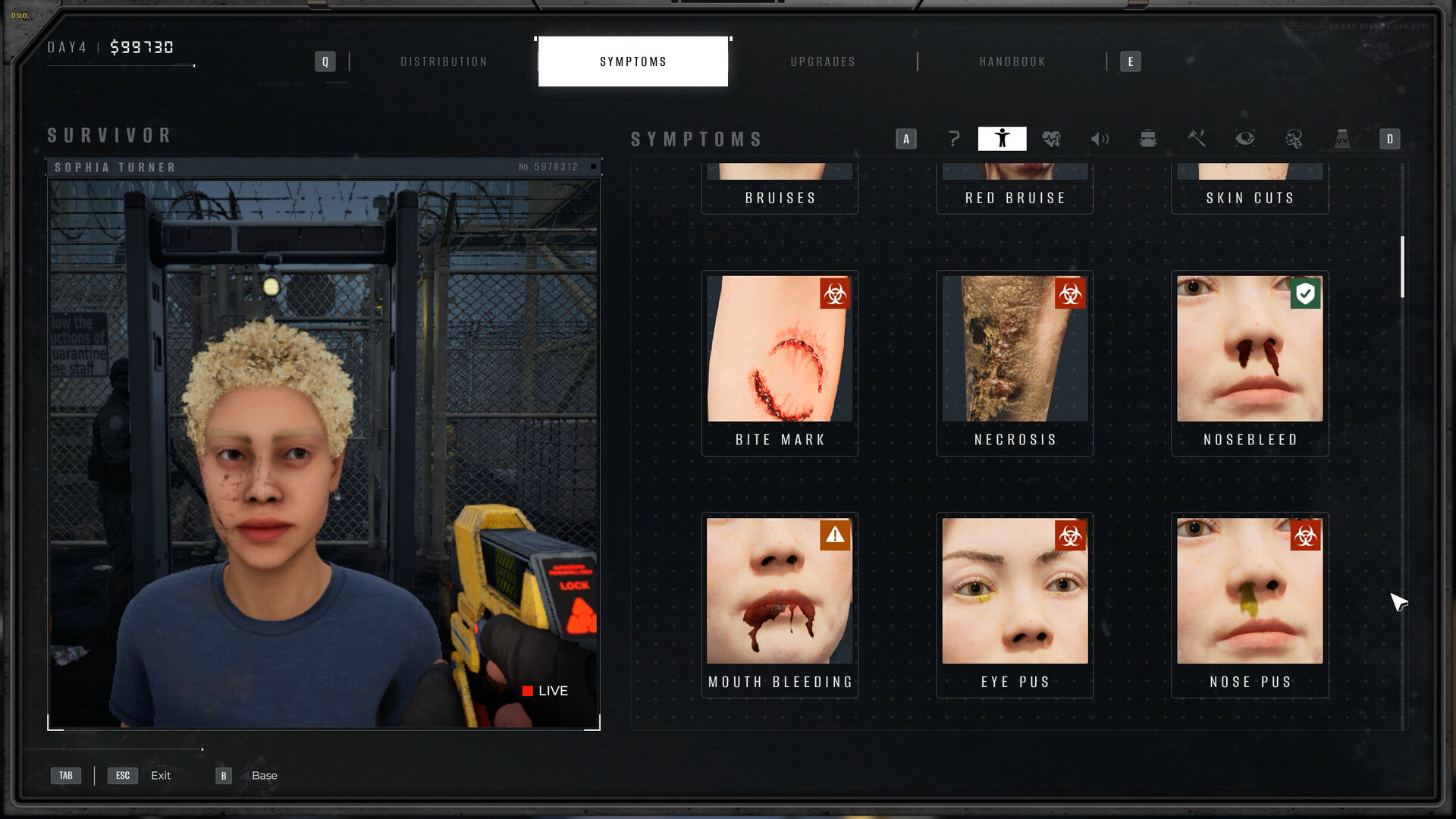
Quarantine Zone: The Last Check
How was the year for the niche/genre you work in?
I think the "sim" genre is oversaturated. There's still a niche for checkpoint games, but after the release of Quarantine Zone, interest might wane a bit. We've already formed a whole suite of followers — Gate Guard simulator, Airport contraband — games where you have to inspect people. Let's see how they fare.
What strengthening or emergence of trends in your niche/genre do you anticipate in 2026?
I believe some new subgenres should emerge. Simply making a simulator for something is already meaningless, in my opinion. I think there will be a trend toward cooperative simulators with horror elements. In short, a mix that small teams can manage.
What are the team's plans for the coming year?
To release Quarantine Zone: the Last Check.