
As we usher in the new year of 2026, we continue reflecting on the past year with teams from the gaming industry. Up next is an interview with Dmitry Beley, the game director at Solarsuit Games.
How did the year 2025 turn out for your team? What did you manage to achieve, what are you proud of, and what, on the contrary, did you not manage to finish?
Dmitry Beley, Solarsuit Games: For us, it was definitely the year of Static Dread! We developed our first commercial game — Static Dread The Lighthouse. It took only nine months, during which we went through all the stages of development. We launched first on PC, and three months later on consoles.
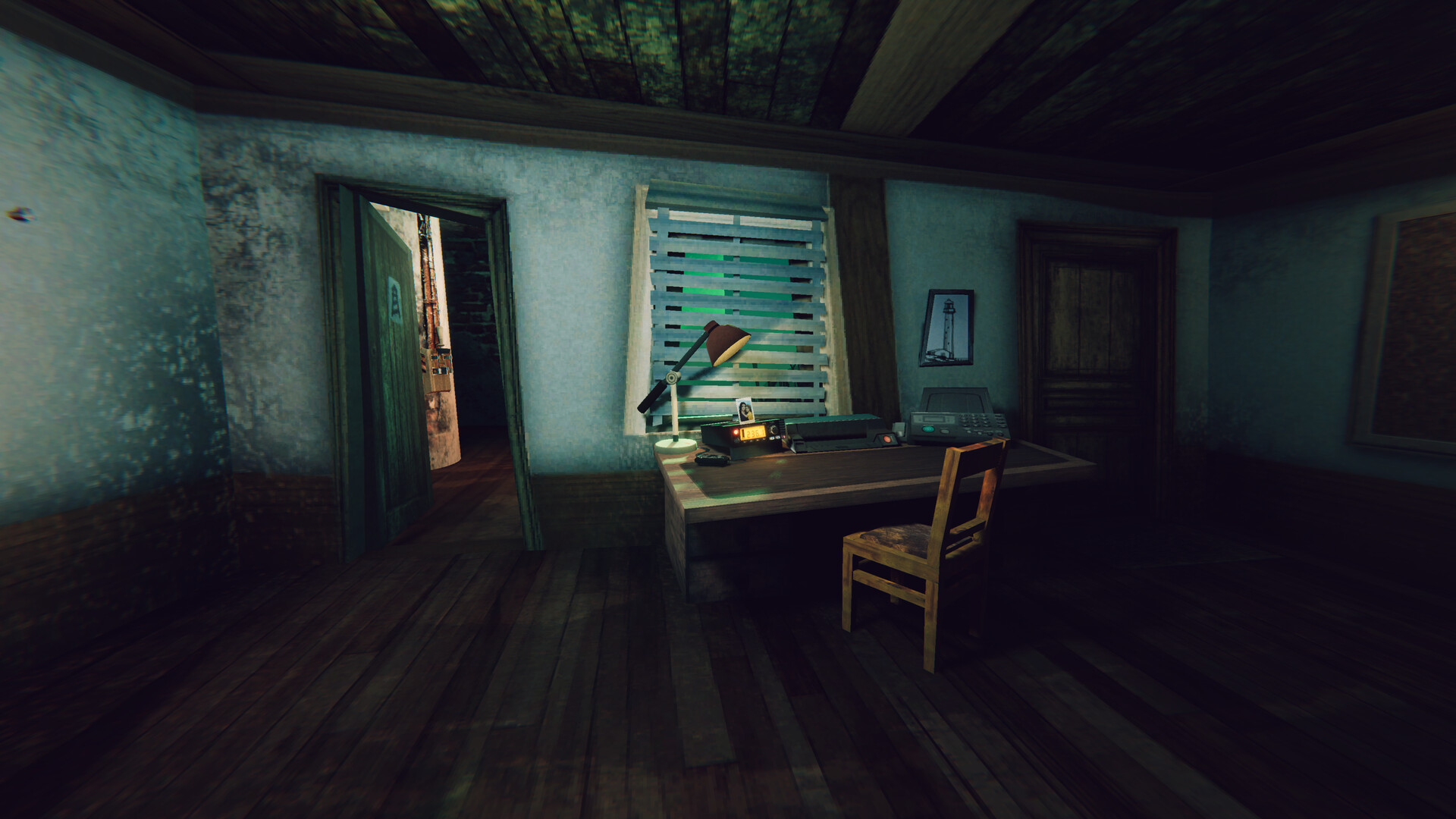
Static Dread: The Lighthouse
In 2025, we faced the toughest parts of production, playtesting, demos, festivals, pre-release preparation, and post-release support. It was essentially a game development speedrun within a year.
The release was quite successful for us. Unfortunately, it wasn't a hit, but it turned out to be a solid project. As of now, we have surpassed 40,000 copies sold. The game has 91% positive reviews.
We learned a lot over the year, managed to improve our internal processes. With the new knowledge, we immediately began the next part — Static Dread: The Submarine, which we announced in October this year and plan to release in 2026.
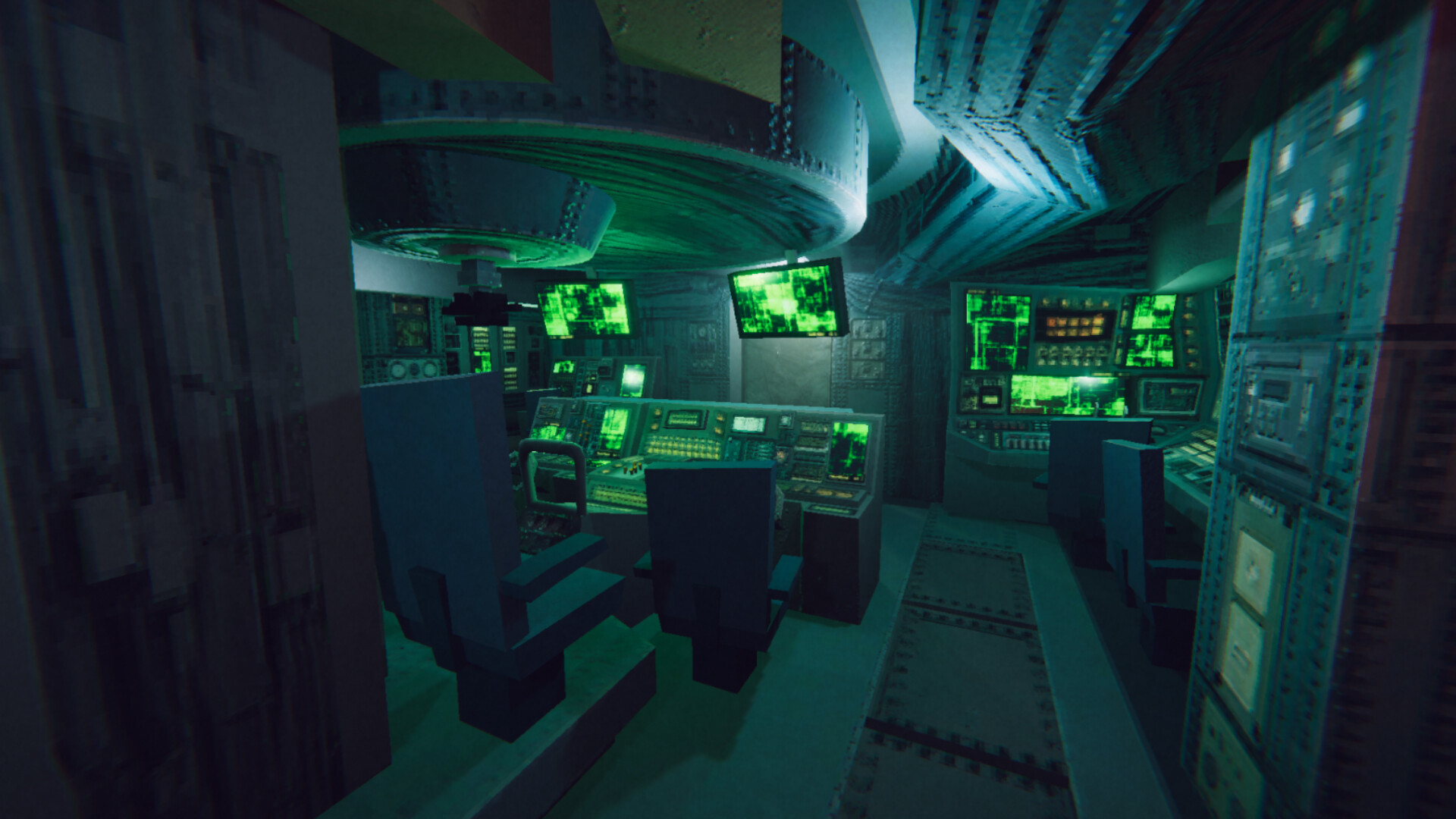
Static Dread: The Submarine
What conclusions did you draw for yourselves as a development studio by the end of 2025?
Dmitry: The main conclusion is probably this: no matter how small the game is, processes are important. "The Lighthouse" was developed with a full Agile approach. We iterated and changed a lot during the development. This allowed us to quickly make adjustments to the game after playtests. However, it also backfired. It's fun to make games this way, but releasing them is harder: there comes a point when you have to stop and finish everything.
As a result, the final part of the game was put together hastily, and the endings didn't turn out as polished as the beginning. Now, for "The Submarine," we've conducted a full pre-production, wrote the script, defined the endings and characters in advance, allowing us to see the story as a whole before development began.
Has your practice of interacting with publishers/investors changed? Has it become easier or harder to work with them?
Dmitry: It's great that many new indie publishers have emerged. This has certainly enlivened the market.
The main downside is that development budgets have dropped significantly. Most publishers are not willing to sign projects costing more than $200,000, and preferably keep it under $100,000.
Almost all publishers are looking for games that can be developed from signing to release in about six months to a year.
Yes, this trend has been relevant for a couple of years — since 2023-2024. And now it is only gaining strength.
The stories from 2018-2020, when a publisher would sign a narrative pixel side-scroll novella for a million dollars, and the team would develop it in two to three years, are no longer a reality.
In most cases, publishers today are looking to find a gem that can "shoot to the moon" with minimal investment, both in terms of wishlist numbers and future sales. Publishers are searching for a project that can be successful on its own and then try to convince the developer that working with a publisher will make it even better.
Meanwhile, there is a ton of projects out there now. Publishers have an incredibly huge selection. If a developer wants to find a publisher, it's important to have some Proof of Success. This could be a game with a lot of wishlists (usually they look at projects with over 20,000 wishlist entries) or a demo with a good median playtime (around 40 minutes and above). Moreover, the developer should have a clear marketing strategy understandable to the publisher. Plus, it's preferable that the game belongs to a genre easily promoted through influencer marketing, as well as having inherent virality.
But, of course, the most important thing is the game itself. It must be compelling, engaging, offering interesting and new experiences to the player — capable of gaining an audience even without a publisher. If you have such a project, any interaction with a publisher will be relatively easy.
What kind of year was it for the niche/genre you work in?
Dmitry: At our studio, we take analytical data and statistics very seriously. We strive to collect almost all possible information from Steam in real-time. When preparing for a new project, we conduct a small research study to find median indicators for the genre we are interested in.
Since 2024, the horror genre on Steam has grown by almost 10%. Moreover, the top 10% of horror projects have grown by a whopping 60%. For comparison, overall in Steam there is a visible decrease of almost 15-20%, both in medians and in the top 10% of projects.
Of course, these are very approximate data based on reviews. They are noisy due to the number of projects released on Steam every year. But this relative comparison allows us to generally understand what appeals to players.
It seems that now the main factor influencing a game’s promotion on Steam is influencer marketing and simply being featured on the Steam homepage (which depends on how well the game resonates with players). PR and advertising purchases do not yield such results. Ultimately, if a game does well with streamers, it becomes viral, and its sales and metrics grow.
What trends do you expect to strengthen or emerge in your niche/genre in 2026?
Dmitry: I think emotions are now coming to the forefront. If a game can touch certain strings of a player's soul, providing them with a new experience or unexpected role, they will gladly share the game with their friends. The more such strings you can strike, the more popular the game will become.
Yes, I want to note that we don't operate within a specific niche/genre. We create narrative horrors with simulation elements, we have a large and complex RPG in development — Drake Frontier, and also a clicker named BUG.
The central element of all projects, except for the clicker, is the story. The genre framework of this story is not as important to us as ensuring that the genre and mechanics work together with the story.
There were some really cool narrative projects this year, like Expedition 33, Dispatch, Kingdom Come 2. It's exciting to see what comes out next.
What are the team's plans for 2026?
Dmitry: Our main goal right now is the release of The Submarine.
Plus, after the release of "The Lighthouse," we have some funds, and we've been dedicating more time to Drake Frontier. This was our first project where our team's story began. We really want to make it awesome.
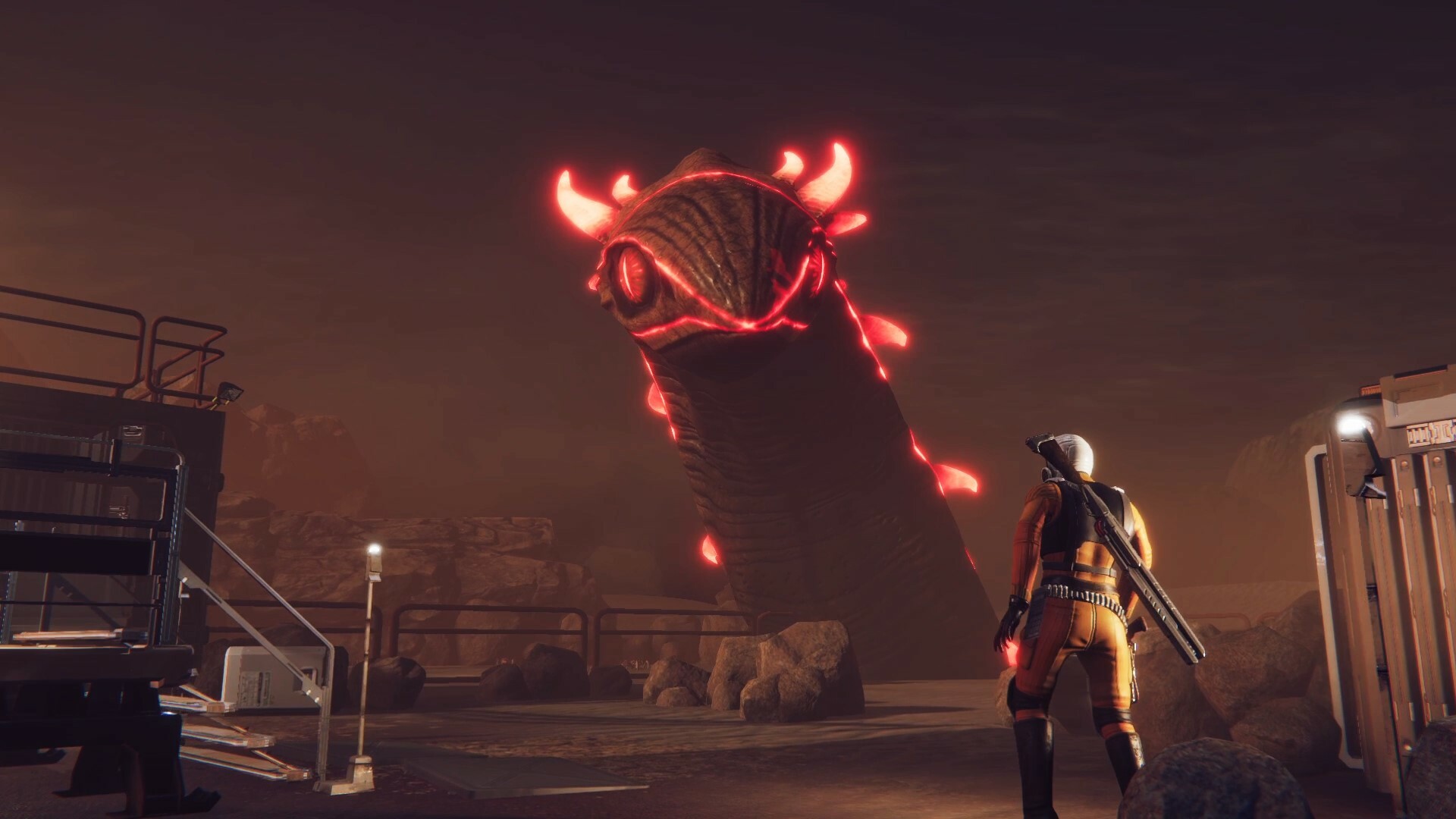
Drake Frontier
We began making games and organized the studio because we want to tell great stories and bring our ideas to life. Although narrative games are more complex in production, they offer fantastic experiences and evoke emotional responses, allowing us to communicate with the player and raise questions that matter to us. This is the main function of creativity.
I hope 2026 brings us more great stories and more creative games!