
We continue to wrap up the year 2025 alongside gaming teams. Up next is an interview with Inna Gosteva, CBDO of Digital Vortex Entertainment.
This material was originally published on Game World Observer.
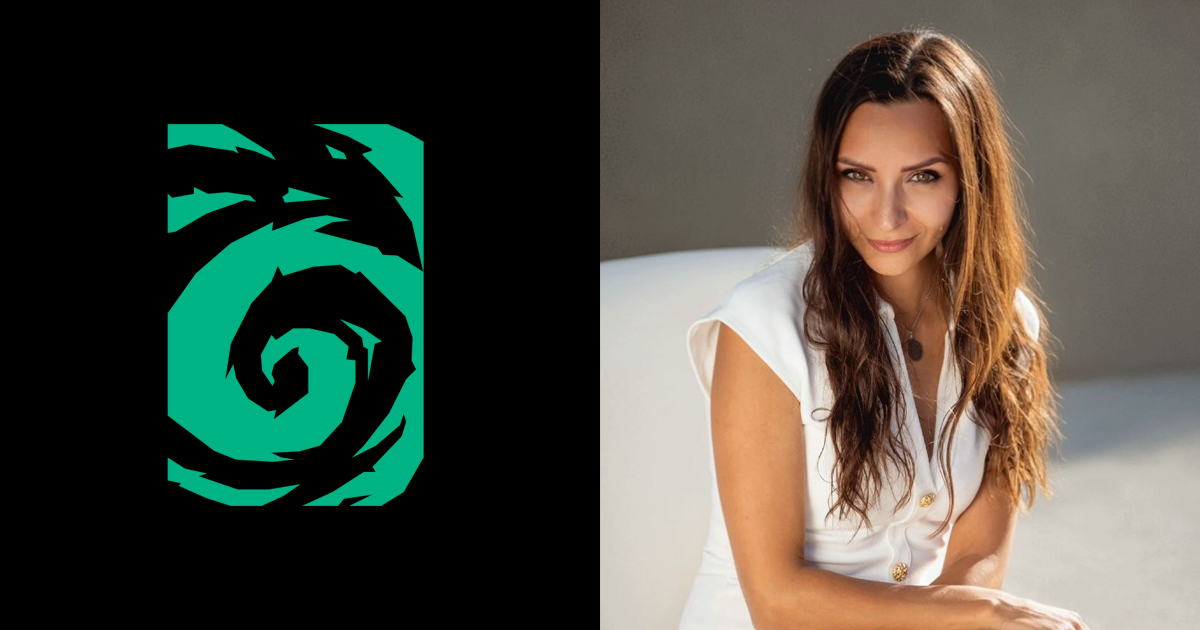
What was the year 2025 like for your business? What achievements stand out? What conclusions did you draw?
Inna Gosteva, Digital Vortex Entertainment: The year 2025 was crucial for us: we continued building our portfolio and enhanced our game evaluation process, strengthening developer interactions.
One of our key achievements was signing DREADMOOR.
Overall, we implemented a systematic model for studio support, based on an individual approach. Each game is viewed as a unique project with its own goals, audience, and marketing strategy. This flexible format has essentially become our trademark. It allows teams to receive not just financing but comprehensive support from creative positioning to community and player feedback management.
How has the gaming market situation changed for publishing from your perspective?
Inna: 2025 was a turning point for publishing: the market definitively entered a phase of hyper-competition. Hundreds of new titles hit Steam every week, and even good games find it much harder to reach their audience. This requires publishers not just to employ pinpoint marketing but to develop systematic approaches, establish recognizable positioning, and maintain long-term player engagement.
Simultaneously, generative AI has accelerated development while also heightening the need for curation. The number of mediocre releases has grown, and publishers today play the role of a filter, helping strong games stand out.
Virality remains one of the key factors for the spontaneous rise in popularity of titles: short videos, streams, and community moments often determine the fate of releases. In this scenario, a publisher is no longer just a distributor but a strategic partner who helps a game not get lost in the crowd, articulates its value, and builds a community around it.
The year 2026 will favor publishers capable of maintaining a balance between technological capabilities and the true creative value of each game.
Have practices for working with developers changed? Has it become easier or more difficult to work?
Inna: Working with developers has indeed changed and become much more deliberate. A couple of years ago, you could approach a publisher with an idea and a verbal prototype. Now, conversations usually only start when a team already has a working build or at least a vertical slice with a clear gameplay loop. This has raised the bar but simplified the dialogue itself. Now both sides clearly understand the product in question.
From our side, as a publisher, we've become more deeply involved in the process, from function testing and early metric analysis to positioning and launch strategy development. The market is overheated, competition is enormous, and moving forward without joint analytics and honest discussions about success chances is simply impossible.
Overall, it's become harder to "get into the funnel," but easier to build long-term relationships. When teams arrive with a well-thought-out product and are ready to discuss risks and accept criticism, a true partnership emerges where the publisher contributes not just resources but also expertise.
What was the year like for the niche in which you typically release games?
Inna: A record number of titles were released on Steam (almost twenty thousand in one year) and even good games now risk getting lost in the flood. Simplified development tools and widespread AI usage have sped up the process but have intensified the problem of "content noise."
Players have become more cautious: many prefer to remain in familiar worlds and return to proven projects because time and attention have become catastrophically scarce. In such conditions, a strong gameplay hook and competent promotion mean everything.
For us, this became a call to action. We tightened our filter for incoming projects, refined selection criteria, and developed a more structured onboarding process for studios. Now we focus only on games that demonstrate potential in mechanics even at early stages. This allowed us to concentrate on projects with real viability and lay a solid foundation for confident growth in 2026.
What conclusions and lessons from 2025 would you highlight for developers preparing to release their games?
Inna: The main lesson from 2025 is that the market is oversaturated. Even an excellent game can simply disappear in the overall maelstrom if you don't start engaging with the audience early. Don't wait for the release: test hypotheses, conduct playtests, gather feedback, build a community even in the demo stage. This not only helps refine the game but also gives the publisher time to prepare marketing and support campaigns.
Nowadays, the idea alone doesn't sell a project. Conversations with a publisher or investor only begin when there is a working build with a clear gameplay loop and retention potential. Without this, interest quickly wanes.
Players have become impatient: if the first minutes don't captivate, there won't be a second chance. Those who create gameplay that "sells itself" in 30 seconds win, especially in the era of clips and streams.
A specific piece of advice: don't rush to participate in major festivals like Steam Next Fest without serious preparation. 2025 showed that if a demo doesn't have a strong marketing plan and media push, it just gets lost among hundreds of others. In this regard, a publisher indeed adds expertise and helps convert attention into wishlists.
And perhaps most importantly, transparency matters. Sincere and open dialogue with the publisher accelerates project development. We look at dozens of games every day and see market patterns; this external perspective helps make the product stronger. When trust forms between developer and publisher, the most notable and vibrant projects emerge.
What strengthening or emergence of trends in your niche do you expect in 2026?
Inna: In 2026, I believe the trends we've seen in 2025 will simply become more pronounced. Virality will become an absolute must-have. Games that translate well into short formats (whether it's a stream, clip, or short social media video) gain a decisive advantage. Today, TikTok and Reels algorithms often influence sales more than traditional reviews.
The story with AI is more complex. Yes, it helps speed up the development of prototypes and visual production, but there's still a lack of trust from audiences. The situation with Clair Obscur: Expedition 33, which had its awards revoked at the Indie Game Awards for using AI textures, showed that this topic remains sensitive. In 2026, those who find a balance between technology and live creativity, where technology enhances the idea and doesn't replace it, will succeed.
What are the company's plans for the coming year?
Inna: In 2026, we plan to focus on gradual but steady portfolio growth. The main focus will be on projects with a strong gameplay foundation and an immediate hook because the market is still oversaturated, and player attention is the most scarce resource. We are looking for games that can be revealed through viral formats, streams, and short content. They help the project get noticed even before release.
With current projects, including DREADMOOR, we are moving into a more active phase: enhancing marketing, focusing on community and content creator engagement, and laying the groundwork for long-term post-release support. We see that players are increasingly returning to games that are supported with events, updates, and content, and this strategy yields much more sustainable results than focusing solely on the release.
Overall, 2026 will be a year of adaptation for us to the new, unified ecosystem of platforms and channels. Our goal is to remain a publisher that helps games not just launch but also find their audience and sustain their interest over the long haul.