
Brazil's attempts to control the rapidly growing gambling market have not alleviated concerns related to household debt, gambling addiction, and organized crime.
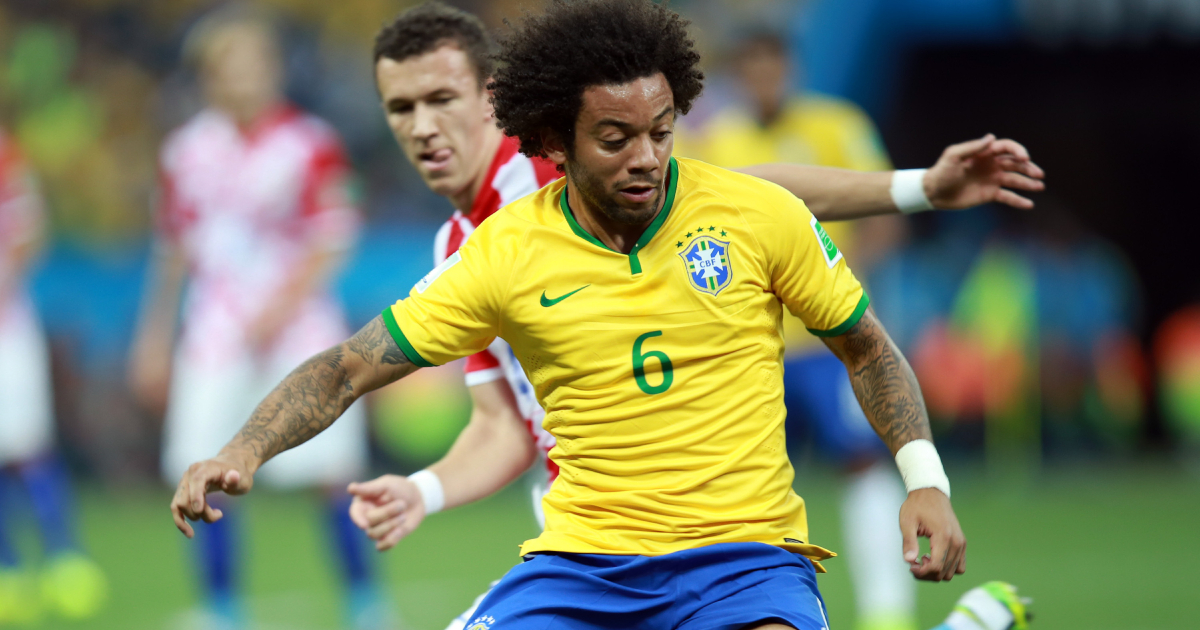
Photo: copa2014.gov.br
This was the conclusion reached by The Economist, noting that the recent ban on online gambling might push some activities into the illegal segment.
Sports betting in Brazil was legalized in 2018; however, the initial model did not include comprehensive regulation. Subsequently, the country became the fifth-largest betting market in the world, but in 2024, the Brazilian government tightened control. Restrictions were introduced on advertising, age verification requirements, a 12% fee on operators' revenue, and several other limitations.
Despite regulations, gambling expenses reduced Brazil's GDP by 1% in 2025, as funds were diverted from other economic activities. Head of the intelligence unit of Brazil's Ministry of Justice Anchieta Nery stated that criminal groups operate both legal and illegal sites. There is also a reported increase in high-amount bets and the debts associated with them.
The restrictions themselves faced criticism from the betting industry and football organizations. Several major clubs warned that a continuous ban might pose risks to Brazilian football, which receives sponsorship income from gambling companies. Operators also mentioned the possibility of legal action to reclaim approximately $500 million paid in licensing fees.
The discussion unfolds ahead of the second round of presidential elections on October 25. According to the publication, Lula's opponent, Flavio Bolsonaro, supports a less stringent approach, where sports betting could be maintained while online casinos would be banned. As The Economist writes, the election results will determine the future direction of policy in the sector for the coming years.